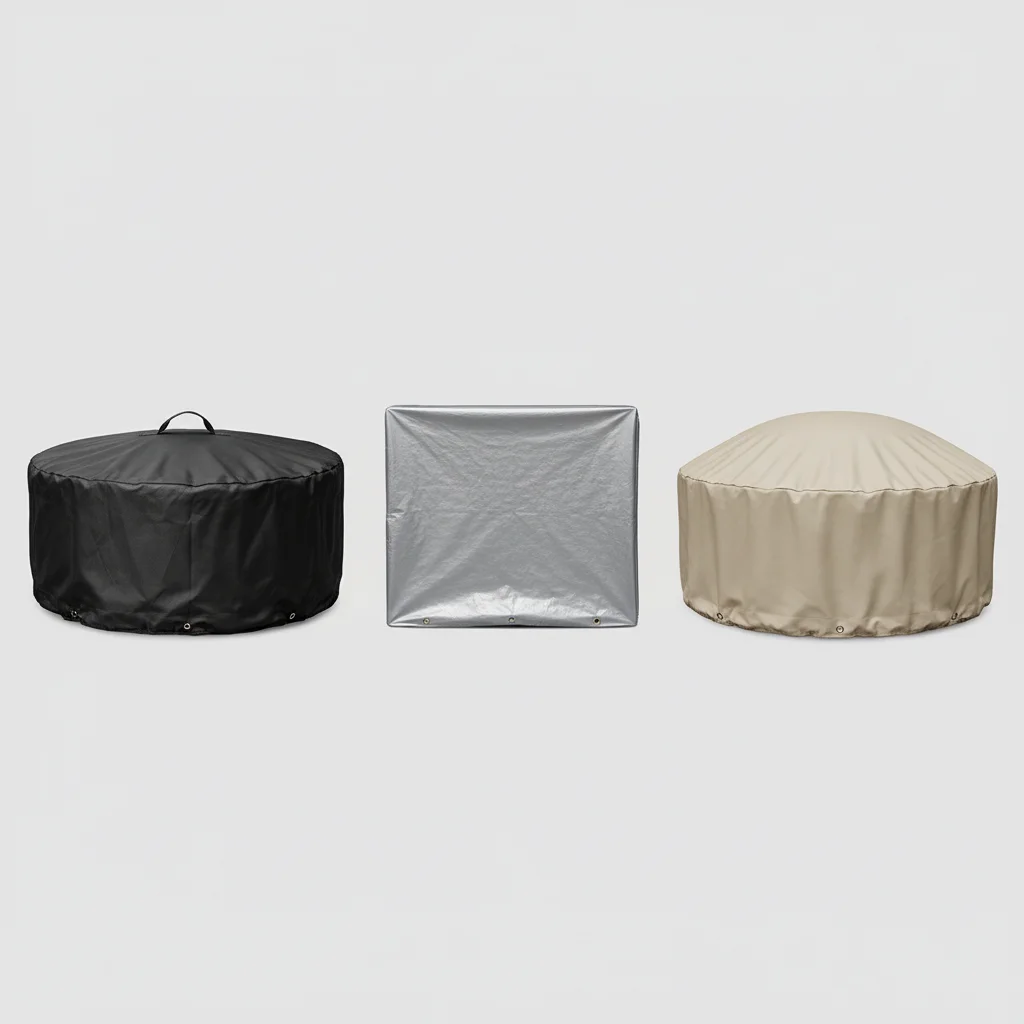
Fire pit covers are an essential accessory for protecting your outdoor fire pit from the elements and extending its lifespan. While not strictly mandatory for immediate use, investing in a high-quality cover can significantly reduce maintenance, prevent rust and corrosion, and keep your fire pit looking new for years. There are typically three main types of covers: vinyl, polyester, and canvas, each offering varying degrees of protection and durability.
Why Fire Pit Covers Are Essential for Longevity
A fire pit left exposed to rain, snow, sun, and debris will inevitably suffer from accelerated wear and tear. Moisture is the primary culprit, leading to rust on metal components and degradation of other materials. UV rays can fade finishes and weaken plastics. A good cover acts as a barrier, shielding your investment from these damaging elements. This protection not only preserves the aesthetic appeal of your fire pit but also ensures its structural integrity, preventing costly repairs or premature replacement.
Beyond weather protection, covers also keep out leaves, dirt, and animal droppings, which can accumulate inside the fire bowl and become a nuisance to clean before each use. This makes setting up for your next outdoor gathering much quicker and more enjoyable.
Types of Fire Pit Covers and Their Benefits
When selecting a fire pit cover, you’ll encounter various materials, each with distinct advantages. Vinyl covers are often the most budget-friendly and offer excellent waterproofing, making them ideal for rainy climates. However, they can become brittle in extreme cold or crack under prolonged sun exposure. Polyester covers, especially those with PVC backing, provide a good balance of durability, weather resistance, and flexibility. They are often treated for UV protection and can withstand a wider range of temperatures. Canvas covers, while less common, offer a more natural look and good breathability, but may require more frequent re-treatment for water resistance.
- Vinyl Covers: Economical, highly waterproof, good for rain protection.
- Polyester Covers: Durable, UV resistant, flexible, good all-around protection.
- Canvas Covers: Breathable, natural aesthetic, may need re-waterproofing.
- Custom-Fit Covers: Offer the best protection and aesthetic integration.
- Hardtop Covers: Provide robust protection and can double as a tabletop.
Choosing the Right Size and Fit
|
Our Picks for the Best Fire Pit in 2026
As an Amazon Associate I earn from qualifying purchases.
|
||
| Num | Product | Action |
|---|---|---|
| 1 | Fire Beauty Fire Pit for Outside Wood Burning,BBQ Grill Steel Fire Bowl with Spark Screen Cover,Log Grate,Poker for Camping Beach Bonfire Picnic Backyard Garden |

|
| 2 | HGD 20 Inch Smokeless Firepit with Grill, Portable Wood Burning Fire Pit for Camping & Backyard, Stainless Steel Outdoor Fireplace with Travel Bag, Easy Setup & Compact Storage - Foldable Design |
|
| 3 | Wisteria Lane 3 in 1 43" Extra Large Fire Pit for Outside Wood Burning with 2 Adjustable Grills, Outdoor Fireplace with Lid and Fire Poker, BBQ & Bonfire & Round Metal Table for Patio, Backyard |
|
| 4 | CIAYS Smokeless Firepit, 19 Inch Fire Pit for Camping with Patented Technology, Portable Fire Pit for Outside with Steel Grill Rack, Fire Poker, and Bag, Easy Setup and Storage, Wood Burning |
|
| 5 | Fire Pit - 32-Inch Outdoor Wood Burning Firepit with Screen, Poker, and Cover - Outdoor Fire Pits for Backyard, Deck, or Patio by Pure Garden (Black) |
|
| 6 | Fire Pit - 32-Inch Outdoor Wood Burning Firepit with Screen, Poker, and Cover - Outdoor Fire Pits for Backyard, Deck, or Patio by Pure Garden (Black) |
|
| 7 | Fire Beauty 26" Steel Fire Pit with Grill & Diamond Mesh Design,360° Airflow Tech for 80% Less Smoke,XL Flames,Heavy-Duty Portable Outdoor Fire Bowl for Camping, Backyard, Beach (22lbs, 4 Handles) |
|
| 8 | Kingson 26" Outdoor Fire Pit with Grill & Mesh Cover, Wood Burning Steel Firepit with Poker & Star Spark Screen, Heavy Duty Patio Fire Bowl for Backyard, Camping & Garden |
|
| 9 | BALI OUTDOORS Fire Pit with Poker, 32 inch Outdoor Fire Pit Patio, Wood Burning Firepits for Outside with Grill |
|
| 10 | SINGLYFIRE 36 Inch Fire Pits for Outside Large Outdoor Wood Burning Crossweave firepit Heavy Duty Steel Bronze Bonfire Pit for Patio Backyard Garden with BBQ Grate,Spark Screen,Log Grate,Poker |
|
The effectiveness of a fire pit cover largely depends on its fit. A cover that is too small won’t provide adequate protection, leaving parts of your fire pit exposed. Conversely, a cover that is too large can flap in the wind, potentially tearing or allowing water to pool, which can defeat its purpose. Always measure your fire pit’s diameter and height accurately before purchasing a cover. Many manufacturers offer covers designed for specific fire pit models, ensuring a snug and secure fit. Look for covers with elastic hems, drawstrings, or buckles to secure them tightly, especially in windy conditions.
Maintenance and Care for Your Fire Pit Cover
Even the best fire pit cover requires some basic maintenance to perform optimally and last longer. Regularly clean your cover to remove dirt, leaves, and other debris. A simple wipe-down with a damp cloth and mild soap is usually sufficient. Ensure the cover is completely dry before storing it, especially if you remove it for extended periods, to prevent mold and mildew growth. Inspect the cover periodically for any tears, cracks, or signs of wear. Promptly repairing small damages can prevent them from worsening and compromising the cover’s protective capabilities.
When to Replace Your Fire Pit Cover
Even with proper care, fire pit covers don’t last forever. The lifespan of a cover depends on its material quality, exposure to harsh weather, and frequency of use. Signs that it’s time for a replacement include significant fading, cracking, tearing, or if it no longer repels water effectively. A compromised cover will not adequately protect your fire pit, leaving it vulnerable to damage. Investing in a new cover when needed is a small price to pay to safeguard your larger investment in the fire pit itself. Consider upgrading to a more durable material if your previous cover failed prematurely due to specific weather conditions in your area.
Beyond Basic Protection: Additional Features to Consider
Some fire pit covers come with additional features that can enhance their utility and convenience. Vents, for example, can prevent condensation buildup under the cover, which is crucial for preventing rust and mildew, especially in humid climates. Padded handles make it easier to remove and replace the cover. Some covers are designed with a slightly domed top to prevent water from pooling, ensuring it runs off instead. For those with built-in cooking grates or other accessories, look for covers that accommodate these features without compromising the fit. These thoughtful additions can make a significant difference in the overall user experience and the long-term protection of your fire pit.
Cooking gear we tested in our own kitchens
Practical specs, not advice. Unsubscribe anytime.
