Choosing between a gas and a wood-burning fire pit depends on your preference for convenience, ambiance, and maintenance. Wood-burning fire pits offer an authentic, high-heat experience with a traditional campfire feel, while gas fire pits provide effortless, instant flames with no smoke or ash, ideal for those seeking cleanliness and precise control. Each type transforms an outdoor space into a cozy retreat, becoming a focal point for evening entertainment and relaxation.
What is a Fire Pit and Why Do You Need One?
A fire pit is an outdoor structure designed to contain a fire, providing warmth, light, and a focal point for social gatherings. Beyond its practical benefits, a fire pit fosters a sense of community and relaxation, making it a beloved addition to patios and gardens worldwide. They extend your usable outdoor season, offer a unique cooking alternative for s’mores and hot dogs, and serve as a stunning decorative element.
When considering a fire pit, several elements come into play: its size relative to your outdoor area, the material that best suits your aesthetic and durability needs, the desired style, and your budget. Understanding these factors is the first step toward finding a fire pit that perfectly integrates into your home.
Popular Fire Pit Types on the Market
The outdoor heating market primarily offers fire pits fueled by wood, gas (propane or natural gas), and, to a lesser extent, charcoal. Each fuel type provides a distinct user experience, aesthetic, and set of operational considerations.
Wood-Burning Fire Pits
Wood-burning fire pits embody the classic campfire experience. They are typically open bowls or rings designed to hold logs, offering the traditional sights, sounds, and smells of a roaring fire.
- Advantages: The authentic crackle and pop of burning wood, along with its distinct smoky aroma, create an unmatched rustic ambiance. Wood fires produce intense radiant heat, making them excellent for chilly evenings. Many models also allow for direct cooking, perfect for grilling or roasting marshmallows.
- Disadvantages: Wood-burning pits generate smoke, which can be bothersome depending on wind direction and may irritate sensitive individuals. They require a steady supply of seasoned firewood, and managing the fire involves regular tending, stoking, and extensive cleanup of ash and debris afterwards. Embers and sparks are also a safety concern, necessitating careful placement and supervision.
- Usage Notes: Always use dry, seasoned hardwood for a cleaner burn and less smoke. Ensure your wood-burning fire pit is placed on a non-combustible surface, at least 10-15 feet away from any structures, overhanging branches, or flammable materials. A spark screen is highly recommended.
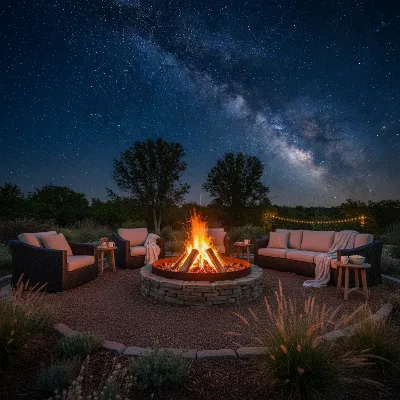 A cozy wood-burning fire pit crackling with flames under a starry night sky, surrounded by comfortable chairs.
Gas Fire Pits
|
Our Picks for the Best Fire Pit in 2026
As an Amazon Associate I earn from qualifying purchases.
|
||
| Num | Product | Action |
|---|---|---|
| 1 | Fire Pit - 32-Inch Outdoor Wood Burning Firepit with Screen, Poker, and Cover - Outdoor Fire Pits for Backyard, Deck, or Patio by Pure Garden (Black) |

|
| 2 | BALI OUTDOORS Fire Pit with Poker, 32 inch Outdoor Fire Pit Patio, Wood Burning Firepits for Outside with Grill |
|
| 3 | SINGLYFIRE 36 Inch Fire Pits for Outside Large Outdoor Wood Burning Crossweave firepit Heavy Duty Steel Bronze Bonfire Pit for Patio Backyard Garden with BBQ Grate,Spark Screen,Log Grate,Poker |
|
| 4 | Wisteria Lane 3 in 1 43" Extra Large Fire Pit for Outside Wood Burning with 2 Adjustable Grills, Outdoor Fireplace with Lid and Fire Poker, BBQ & Bonfire & Round Metal Table for Patio, Backyard |
|
| 5 | CIAYS Smokeless Firepit, 19 Inch Fire Pit for Camping with Patented Technology, Portable Fire Pit for Outside with Steel Grill Rack, Fire Poker, and Bag, Easy Setup and Storage, Wood Burning |
|
| 6 | Fire Beauty Fire Pit for Outside Wood Burning,BBQ Grill Steel Fire Bowl with Spark Screen Cover,Log Grate,Poker for Camping Beach Bonfire Picnic Backyard Garden |
|
| 7 | HGD 20 Inch Smokeless Firepit with Grill, Portable Wood Burning Fire Pit for Camping & Backyard, Stainless Steel Outdoor Fireplace with Travel Bag, Easy Setup & Compact Storage - Foldable Design |
|
| 8 | Fire Beauty 26" Steel Fire Pit with Grill & Diamond Mesh Design,360° Airflow Tech for 80% Less Smoke,XL Flames,Heavy-Duty Portable Outdoor Fire Bowl for Camping, Backyard, Beach (22lbs, 4 Handles) |
|
| 9 | Fire Pit - 32-Inch Outdoor Wood Burning Firepit with Screen, Poker, and Cover - Outdoor Fire Pits for Backyard, Deck, or Patio by Pure Garden (Black) |
|
| 10 | Kingson 26" Outdoor Fire Pit with Grill & Mesh Cover, Wood Burning Steel Firepit with Poker & Star Spark Screen, Heavy Duty Patio Fire Bowl for Backyard, Camping & Garden |
|
Gas fire pits offer modern convenience and control, typically fueled by a propane tank hidden within the unit or connected to a natural gas line.
- Advantages: These fire pits ignite instantly with a switch or button, providing immediate warmth and ambiance without the effort of building a fire. They produce little to no smoke or ash, making them a cleaner, more environmentally friendly option. Heat output is easily adjustable, offering precise flame control. Maintenance is minimal, with no ash to clean, and they generally pose fewer safety risks from flying embers.
- Disadvantages: While convenient, gas fire pits often produce less intense radiant heat compared to wood fires, and some users find the flame less “authentic” without the crackle and unique aroma. They require a connection to a gas line or a propane tank, which needs to be refilled or replaced. The initial cost can also be higher.
- Usage Notes: For propane models, ensure the tank is always upright and connections are secure. For natural gas, professional installation is often required. Regularly inspect gas lines, burners, and ignition systems. Never cook directly over a gas fire pit, as falling food can damage the burner.
Charcoal Fire Pits
Charcoal fire pits are less common as dedicated outdoor heating features but can offer versatility for cooking. They are similar in structure to wood-burning pits but are specifically designed for charcoal briquettes or lump charcoal.
- Advantages: Charcoal is often a more affordable fuel option than propane or natural gas and is readily available. It excels at consistent, controlled heat for grilling and barbecue, often preferred for specific culinary tasks.
- Disadvantages: Like wood, charcoal produces ash and requires cleanup. It can also generate smoke, especially during ignition. Adjusting heat can be more challenging than with gas, and the burn time may be shorter than a well-tended wood fire.
- Usage Notes: Always use charcoal specifically designed for grilling or fire pits. Ensure adequate ventilation and never use lighter fluid excessively. Allow charcoal to cool completely before disposal to prevent fire hazards.
Comparing Different Fire Pit Types
The choice between gas and wood-burning fire pits often comes down to personal priorities regarding convenience, ambiance, and maintenance. Charcoal fire pits, while useful for cooking, are generally not considered primary heat sources for extended social gatherings.
Here’s a detailed comparison:
| Feature | Wood-Burning Fire Pit | Gas Fire Pit | Charcoal Fire Pit (Primary for cooking) |
|---|---|---|---|
| Price (Fuel) | Moderate (firewood costs can add up) | Higher (propane/natural gas costs) | Low (charcoal is inexpensive) |
| Durability | High (metal/stone, but exposed to more intense heat) | High (often rust-resistant materials, less wear from flame) | Moderate (prone to rust without proper care) |
| Convenience | Low (requires setup, tending, cleanup) | High (instant on/off, easy control) | Moderate (requires lighting, ash cleanup) |
| Safety | Moderate (sparks, embers, smoke, open flame) | High (controlled flame, auto-shutoff, no flying debris) | Moderate (embers, ash, can be messy) |
| Smoke/Emissions | High smoke, particulate matter | Low to none, cleaner burn | Moderate smoke (especially at startup), ash |
| Heat Output | High radiant heat, but can be uneven | Steady, adjustable, but often less intense overall | Consistent heat for cooking, limited radiant warmth |
| Ambiance | Authentic crackle, natural aroma, traditional campfire feel | Modern, sleek flame, no smoke or distinct smell | Smoky aroma during cooking, less visual appeal for ambiance |
| Maintenance | High (ash removal, regular cleaning, wood storage) | Low (occasional burner inspection, no ash) | High (ash removal, grate cleaning) |
| Cooking Ability | Excellent for open-fire cooking, roasting s’mores | Not recommended for cooking | Excellent for grilling and BBQ |
| Regulations | Often restricted in HOAs or urban areas, fire bans possible | Generally allowed in most areas | Similar to wood, may have restrictions |
> “The heart of choosing a fire pit lies in defining your outdoor ritual. Do you crave the tactile experience of tending a flame, or the effortless luxury of instant warmth?” – Dr. Eleanor Vance, Outdoor Living Expert
Top Fire Pit Models Popular Today
When selecting a fire pit, reviews and popular models can offer valuable insights. Here are some highly-rated options across both gas and wood-burning categories.
Solo Stove Yukon 2.0 (Wood-Burning)
The Solo Stove Yukon 2.0 is a premium, large-sized wood-burning fire pit renowned for its patented 360° Airflow design, which significantly reduces smoke.
- Advantages: Delivers a nearly smokeless experience after startup, making it comfortable for groups. Produces a robust, consistent flame and high heat output. Made from durable stainless steel.
- Disadvantages: Higher price point. Accessories like a stand or heat deflector are often sold separately. The large size might not suit smaller spaces.
- Key Features: Double-walled construction, removable ash pan for easy cleaning, durable stainless steel.
- User Reviews: Praised for its minimal smoke, excellent heat, and modern design. Users appreciate the hassle-free burning experience.
Outland Living Mega Fire Pit (Propane Gas)
The Outland Living Mega is a popular portable propane gas fire pit, often favored for its convenience and compact design.
- Advantages: Easy to set up and ignite, offering instant warmth. Portable, making it suitable for camping or tailgating. Produces a decent heat output (often 58,000 BTUs) without smoke or sparks. Comes with lava rocks for ambiance.
- Disadvantages: Requires a propane tank, which adds to the overall cost and needs to be refilled. Some portable units might lack an automatic ignition system or auto-shutoff.
- Key Features: Compact and lightweight, usually includes a cover and a hose for the propane tank, durable construction.
- User Reviews: Highly rated for portability, ease of use, and quick warmth. Users love that it’s smokeless and ideal for areas with wood-burning restrictions.
Tiki Patio Fire Pit (Wood-Burning)
The Tiki Patio Fire Pit is another highly-rated wood-burning option, known for its sleek design and efficient burning.
- Advantages: Aesthetically pleasing stainless steel design with a black powder-coated finish. Burns wood efficiently and can heat a significant area. Designed with airflow to minimize smoke.
- Disadvantages: Can consume a fair amount of firewood. Cooking accessories might be an additional purchase.
- Key Features: Stainless steel construction, ample size for gatherings, attractive design that doubles as a patio centerpiece.
- User Reviews: Commended for its beautiful appearance and ability to produce a large, hot fire. Users appreciate its presence as a focal point in their outdoor spaces.
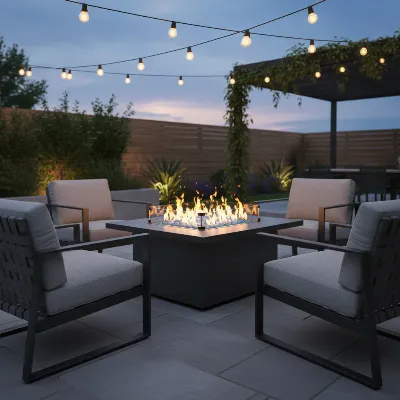 A sleek, modern gas fire pit integrated into a patio table, surrounded by contemporary outdoor furniture and soft lighting.
How to Choose the Right Fire Pit (Buying Guide)
Choosing the right fire pit involves a thoughtful assessment of your specific needs, outdoor space, and priorities. A well-chosen fire pit not only provides warmth and ambiance but also fits seamlessly into your lifestyle.
Determine Your Usage Needs
Begin by clarifying how you intend to use your fire pit.
- Purpose: Are you primarily seeking a cozy spot for warmth and conversation, a unique feature for outdoor cooking and entertaining, or a decorative element to enhance your patio’s aesthetic? Wood-burning pits are great for cooking and a traditional campfire feel, while gas pits excel in convenience and a cleaner ambiance.
- Space: Evaluate your available outdoor area. Do you have a spacious backyard, or a more limited patio or deck? Large wood-burning pits require ample clearance from structures and foliage due to smoke and sparks. Compact gas fire tables might be more suitable for smaller, more enclosed spaces.
- Portability: Do you want a fixed centerpiece or a portable unit you can take camping or easily move around your yard? Many gas fire pits are designed for portability, as are some smaller wood-burning models.
Choose the Right Material and Size
The material and size of your fire pit influence its durability, aesthetic, and heat distribution.
- Materials: Common materials include steel (durable, various finishes), copper (develops a unique patina over time, excellent heat conductor), natural stone (robust, rustic appeal), and concrete (modern, heavy-duty). Choose materials rated for high heat to ensure longevity and safety.
- Size: Consider the typical number of people who will gather around the fire pit. A larger pit accommodates more logs and provides warmth for a bigger crowd, but it also takes up more space. Measure your intended area and select a size that allows for comfortable seating and safe clearance. For reference, a fire pit around 28-36 inches in diameter is often good for small to medium groups.
Safety Features
Safety is paramount when dealing with any open flame. Prioritize fire pits with essential safety features.
- Certifications: Look for safety certifications like CSA (Canadian Standards Association) for gas fire pits, which ensure the product meets specific safety standards.
- Spark Screens: For wood-burning fire pits, a robust mesh spark screen is crucial to contain embers and prevent them from flying out and potentially igniting surrounding materials.
- Flame Control: Gas fire pits should have easily accessible controls for adjusting flame height and an emergency shut-off valve.
- Protective Barriers: Consider models with high walls or accompanying glass guards, especially if you have children or pets, to prevent accidental contact with the flames.
- Non-Combustible Base: Always ensure you have a fireproof base (stone, concrete, fireproof mat) beneath your fire pit, especially on decking.
Tips for Using and Maintaining Your Fire Pit
Proper use and regular maintenance are crucial for the safe operation and longevity of your fire pit, regardless of its fuel type.
How to Start and Maintain Your Fire
- Wood-Burning: Start with small kindling and gradually add larger, dry, seasoned logs. Avoid overloading the pit; a moderate fire is safer and more manageable. Use a poker to adjust logs and maintain airflow.
- Gas: Follow the manufacturer’s instructions for ignition. Typically, this involves opening the gas supply, activating the igniter, and adjusting the flame with the control knob. Never use accelerants in a gas fire pit.
Cleaning and Storage
- Wood-Burning: After each use, allow ashes to cool completely (this can take 24 hours or more). Then, safely remove the ashes using a metal shovel and bucket. Periodically clean the fire bowl and grate to prevent creosote buildup.
- Gas: Gas fire pits require minimal cleaning. Occasionally, wipe down the burner and decorative media (lava rocks, fire glass) to remove dust or debris. Ensure gas lines and connections are clear of obstructions.
- Storage: Always cover your fire pit when not in use to protect it from weather, dirt, and debris. If you live in a harsh climate, consider storing it in a dry, sheltered area during off-seasons.
Essential Safety Measures
“Safety around a fire pit isn’t just about the fire itself, but the environment it creates. Always maintain a safe distance and have an exit strategy.” – Captain Mark Jensen, Certified Fire Safety Officer
- Location: Position your fire pit on a stable, non-combustible surface, at least 10-15 feet away from your home, fences, trees, shrubs, and any flammable materials. Avoid low-hanging branches.
- Preparedness: Always keep a fire extinguisher, a bucket of sand, or a garden hose nearby when the fire pit is in use.
- Supervision: Never leave a fire pit unattended, especially when it’s lit. Children and pets should always be supervised and kept at a safe distance.
- Wind Conditions: Avoid using your fire pit on windy days, as gusts can spread sparks or embers and make the fire uncontrollable.
- Fuel Management: Only burn appropriate fuels. For wood pits, use dry, untreated wood. For gas pits, ensure propane tanks are securely connected and natural gas lines are inspected annually by a professional. Never burn trash, plastics, or accelerants.
Conclusion
The decision between a gas and wood-burning fire pit hinges on a balance of convenience, ambiance, and maintenance preferences. Wood-burning fire pits offer an authentic, high-heat experience with the charming crackle and smoky aroma of a traditional campfire, ideal for those who enjoy the ritual of tending a fire. In contrast, gas fire pits provide effortless, instant flames with no smoke or ash, perfect for those seeking convenience, cleanliness, and precise control. Whichever you choose, a fire pit is more than just a source of warmth; it’s an invitation to create lasting memories and enrich your outdoor living space.
What kind of unforgettable evenings will your new fire pit inspire?
Frequently Asked Questions
How to Choose the Right Fire Pit
Choosing the right fire pit involves assessing your usage needs, selecting appropriate materials and size, and prioritizing essential safety features to ensure it fits seamlessly into your lifestyle and outdoor space.
Clarify how you intend to use your fire pit. Consider if you need it primarily for warmth, cooking, or decoration, and evaluate your available outdoor space for size and portability requirements. Wood-burning pits suit cooking and traditional ambiance, while gas pits offer convenience and a cleaner experience.
Select materials like steel, copper, stone, or concrete based on durability, aesthetic, and heat distribution. Consider the typical number of people gathering to determine the appropriate diameter; a 28-36 inch pit is good for small to medium groups. Ensure the material is rated for high heat to guarantee longevity and safety.
Look for safety certifications like CSA for gas fire pits. For wood-burning pits, a robust mesh spark screen is crucial. Gas fire pits should have accessible flame controls and an emergency shut-off. Consider protective barriers and always ensure a non-combustible base beneath your fire pit.
Cooking gear we tested in our own kitchens
Practical specs, not advice. Unsubscribe anytime.

Our new gas fire pit has completely transformed our patio! The ability to have instant flames with no smoke or ash is exactly what we needed for our small urban backyard. It’s so easy to turn on for a quick evening drink, and it really does extend our usable outdoor season. Highly recommend for anyone prioritizing cleanliness and ease of use.
We finally decided on a wood-burning fire pit after reading about the authentic campfire feel, and we couldn’t be happier! The smell of the burning wood and the crackling sounds really make our backyard feel like a true escape. It’s become the perfect spot for evening s’mores with the kids, just like the post mentioned. Definitely worth the extra effort for the ambiance.
I was really torn between the two types, and ended up getting a wood-burning one. While I love the traditional feel, the maintenance is a bit more than I anticipated. Cleaning out the ash after every use is a chore, and finding good, dry wood can sometimes be a hassle. I wish I’d considered the upkeep more before buying.
I went with a gas fire pit for the convenience, and it’s been great for quick weeknight use. The instant flames and lack of smoke are a huge plus, especially when we just want to relax without all the fuss. My only minor complaint is that it doesn’t quite have the same intense heat as a wood fire, but for easy control and cleanliness, it’s perfect.