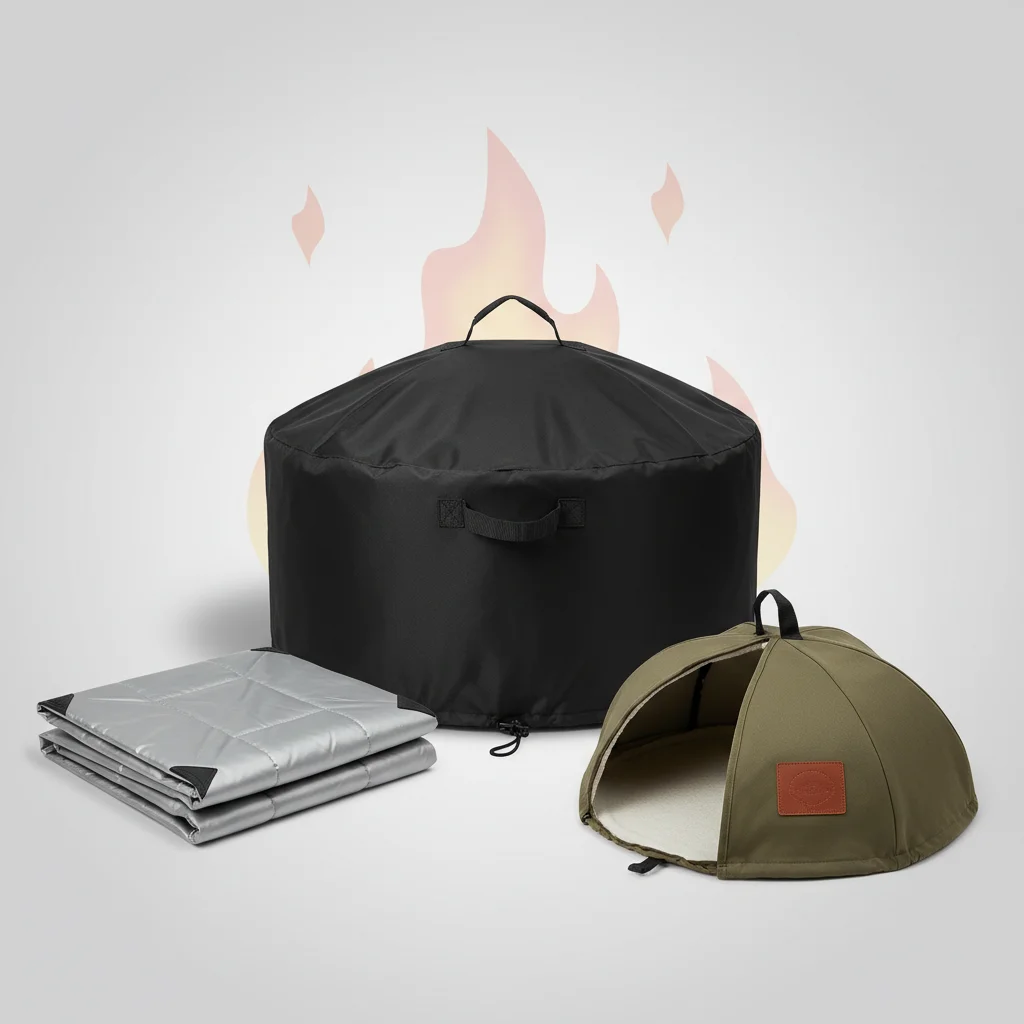
Protecting your portable fire pit from the elements is crucial for its longevity and performance. There are typically three main types of portable fire pit covers available, each offering varying degrees of protection and features to suit different needs and environments. Choosing the right cover ensures your investment remains safe from rain, dust, UV rays, and debris, extending its lifespan and keeping it ready for your next outdoor gathering.
Understanding Different Cover Materials
When selecting a cover, the material is a primary consideration. Vinyl covers are a popular choice due to their excellent water resistance and durability, often featuring a PVC backing for added protection against tears and punctures. Polyester covers, especially those with a PU (polyurethane) coating, offer good water repellency and breathability, which can help prevent mold and mildew buildup. Some premium covers incorporate a blend of materials, such as solution-dyed fabrics, to provide superior fade resistance and a more aesthetically pleasing finish that complements outdoor decor.
Each material has its advantages. Vinyl is generally more affordable and highly effective against heavy rain, making it ideal for areas with frequent precipitation. Polyester covers, while sometimes slightly less waterproof than heavy-duty vinyl, often offer better UV protection and are lighter, making them easier to handle and store. Consider your local climate and how often your fire pit will be exposed to harsh conditions when making your material choice.
Key Features to Look For in a Fire Pit Cover
Beyond material, several features enhance a cover’s effectiveness. Vented covers are designed with mesh panels to allow air circulation, preventing condensation and reducing the risk of rust and mildew. Drawstrings or elastic hems with toggle closures are essential for a secure fit, ensuring the cover stays in place during windy conditions. Padded handles can make it easier to remove and replace the cover, especially on larger fire pits. UV resistance is also vital to prevent the cover from fading and deteriorating over time due to sun exposure.
Additionally, some covers come with reinforced seams and double-stitching for increased durability. Look for covers that are specifically designed for outdoor use and can withstand extreme temperatures, both hot and cold, without cracking or becoming brittle. A good cover should be easy to clean, often requiring just a simple wipe down with a damp cloth.
Sizing Your Portable Fire Pit Cover Correctly
|
Our Picks for the Best Fire Pit in 2026
As an Amazon Associate I earn from qualifying purchases.
|
||
| Num | Product | Action |
|---|---|---|
| 1 | Fire Pit - 32-Inch Outdoor Wood Burning Firepit with Screen, Poker, and Cover - Outdoor Fire Pits for Backyard, Deck, or Patio by Pure Garden (Black) |

|
| 2 | CIAYS Smokeless Firepit, 19 Inch Fire Pit for Camping with Patented Technology, Portable Fire Pit for Outside with Steel Grill Rack, Fire Poker, and Bag, Easy Setup and Storage, Wood Burning |
|
| 3 | HGD 20 Inch Smokeless Firepit with Grill, Portable Wood Burning Fire Pit for Camping & Backyard, Stainless Steel Outdoor Fireplace with Travel Bag, Easy Setup & Compact Storage - Foldable Design |
|
| 4 | SINGLYFIRE 36 Inch Fire Pits for Outside Large Outdoor Wood Burning Crossweave firepit Heavy Duty Steel Bronze Bonfire Pit for Patio Backyard Garden with BBQ Grate,Spark Screen,Log Grate,Poker |
|
| 5 | Wisteria Lane 3 in 1 43" Extra Large Fire Pit for Outside Wood Burning with 2 Adjustable Grills, Outdoor Fireplace with Lid and Fire Poker, BBQ & Bonfire & Round Metal Table for Patio, Backyard |
|
| 6 | Fire Beauty Fire Pit for Outside Wood Burning,BBQ Grill Steel Fire Bowl with Spark Screen Cover,Log Grate,Poker for Camping Beach Bonfire Picnic Backyard Garden |
|
| 7 | Fire Pit - 32-Inch Outdoor Wood Burning Firepit with Screen, Poker, and Cover - Outdoor Fire Pits for Backyard, Deck, or Patio by Pure Garden (Black) |
|
| 8 | Fire Beauty 26" Steel Fire Pit with Grill & Diamond Mesh Design,360° Airflow Tech for 80% Less Smoke,XL Flames,Heavy-Duty Portable Outdoor Fire Bowl for Camping, Backyard, Beach (22lbs, 4 Handles) |
|
| 9 | BALI OUTDOORS Fire Pit with Poker, 32 inch Outdoor Fire Pit Patio, Wood Burning Firepits for Outside with Grill |
|
| 10 | Kingson 26" Outdoor Fire Pit with Grill & Mesh Cover, Wood Burning Steel Firepit with Poker & Star Spark Screen, Heavy Duty Patio Fire Bowl for Backyard, Camping & Garden |
|
Accurate sizing is paramount for optimal protection. Before purchasing a cover, measure the diameter and height of your portable fire pit. It’s generally recommended to choose a cover that is slightly larger than your fire pit to allow for easy placement and removal, but not so large that it sags and collects water. Many manufacturers provide sizing charts, and it’s always best to consult these to ensure a snug yet comfortable fit. A cover that is too tight may be difficult to put on and could tear, while one that is too loose will not provide adequate protection against wind and rain.
- Measure the widest point of your fire pit (diameter).
- Measure the height from the ground to the top edge.
- Allow an extra 1-2 inches for ease of fit.
- Consider any protruding handles or accessories.
- Refer to the manufacturer’s sizing guide for specific models.
Maintenance Tips for Your Fire Pit Cover
Proper maintenance will extend the life of your fire pit cover. Regularly clean the cover to remove dirt, leaves, and debris, which can accumulate and potentially lead to mold or mildew. A simple hose down or wipe with a mild soap solution is usually sufficient. Ensure the cover is completely dry before storing it, especially if you plan to put it away for an extended period. During heavy rain or snow, periodically check the cover to ensure no water or snow has pooled, as this can stretch the material and compromise its integrity.
If you notice any small tears or punctures, address them promptly with a repair kit designed for outdoor fabrics to prevent further damage. Storing the cover in a shaded area when not in use can also help prolong its life by reducing exposure to harsh UV rays. By following these simple maintenance steps, your portable fire pit cover will continue to provide reliable protection for many seasons to come.
Cooking gear we tested in our own kitchens
Practical specs, not advice. Unsubscribe anytime.
