To keep smoke out of your eyes around a fire pit, prioritize using dry, seasoned hardwoods like oak or maple, ensure proper airflow by cleaning the pit and stacking wood correctly, and strategically place the fire pit to account for prevailing winds. Investing in a smokeless fire pit, such as models from Solo Stove or Breeo, can also significantly reduce smoke output through advanced combustion technology, ensuring a more enjoyable outdoor experience.
Understanding Fire Pit Smoke: Why It Happens
The primary culprit behind a smoky fire pit is incomplete combustion. When wood doesn’t burn hot enough or efficiently enough, it releases unburnt particles, gases, and moisture into the air – which we perceive as smoke. Several factors contribute to this inefficiency, transforming your cozy fire into a smoke machine.
One of the most common reasons is burning wet or “green” wood. Freshly cut timber contains a high moisture content. When this wood burns, a significant amount of energy is wasted boiling off the water before the wood itself can properly ignite, leading to a smoldering fire that produces copious amounts of thick, irritating smoke. Similarly, a lack of adequate airflow starves the flames of oxygen, hindering a hot, clean burn. This can be due to an overloaded fire pit, excessive ash buildup blocking vents, or even the design of the fire pit itself. Certain types of wood, particularly softwoods like pine or cedar, are also prone to heavy smoke due to their high sap and resin content, even when seasoned.
Fire Pit Types and Their Smoke Output
Understanding the different types of fire pits available can significantly influence your smoke-reducing strategy and overall outdoor experience. Each design comes with its own set of characteristics regarding fuel efficiency and smoke production.
Traditional Wood-Burning Fire Pits
These are the classic fire pits, often simple bowls or rings, designed for burning logs. While they offer the authentic crackle and aroma of a wood fire, they are also the most susceptible to smoke if not managed correctly. Their open design, while inviting, can sometimes make them prone to inefficient burning, especially if airflow is restricted or the wrong type of wood is used. Successfully managing smoke in a traditional pit relies heavily on fuel choice, fire-starting techniques, and consistent maintenance.
Gas Fire Pits
For those who desire warmth and ambiance without any smoke, gas fire pits are an excellent solution. Fueled by propane tanks or natural gas lines, these pits produce clean-burning flames with virtually no smoke, ash, or embers. They offer instant on-and-off convenience and consistent heat, making them a hassle-free option for many. While they lack the characteristic scent and sound of burning wood, their cleanliness and ease of use are major advantages for a completely smoke-free experience.
Smokeless Fire Pits (Double-Walled Designs)
|
Our Picks for the Best Fire Pit in 2026
As an Amazon Associate I earn from qualifying purchases.
|
||
| Num | Product | Action |
|---|---|---|
| 1 | Kingson 26" Outdoor Fire Pit with Grill & Mesh Cover, Wood Burning Steel Firepit with Poker & Star Spark Screen, Heavy Duty Patio Fire Bowl for Backyard, Camping & Garden |

|
| 2 | Wisteria Lane 3 in 1 43" Extra Large Fire Pit for Outside Wood Burning with 2 Adjustable Grills, Outdoor Fireplace with Lid and Fire Poker, BBQ & Bonfire & Round Metal Table for Patio, Backyard |
|
| 3 | SINGLYFIRE 36 Inch Fire Pits for Outside Large Outdoor Wood Burning Crossweave firepit Heavy Duty Steel Bronze Bonfire Pit for Patio Backyard Garden with BBQ Grate,Spark Screen,Log Grate,Poker |
|
| 4 | Fire Beauty 26" Steel Fire Pit with Grill & Diamond Mesh Design,360° Airflow Tech for 80% Less Smoke,XL Flames,Heavy-Duty Portable Outdoor Fire Bowl for Camping, Backyard, Beach (22lbs, 4 Handles) |
|
| 5 | Fire Pit - 32-Inch Outdoor Wood Burning Firepit with Screen, Poker, and Cover - Outdoor Fire Pits for Backyard, Deck, or Patio by Pure Garden (Black) |
|
| 6 | HGD 20 Inch Smokeless Firepit with Grill, Portable Wood Burning Fire Pit for Camping & Backyard, Stainless Steel Outdoor Fireplace with Travel Bag, Easy Setup & Compact Storage - Foldable Design |
|
| 7 | Fire Beauty Fire Pit for Outside Wood Burning,BBQ Grill Steel Fire Bowl with Spark Screen Cover,Log Grate,Poker for Camping Beach Bonfire Picnic Backyard Garden |
|
| 8 | Fire Pit - 32-Inch Outdoor Wood Burning Firepit with Screen, Poker, and Cover - Outdoor Fire Pits for Backyard, Deck, or Patio by Pure Garden (Black) |
|
| 9 | BALI OUTDOORS Fire Pit with Poker, 32 inch Outdoor Fire Pit Patio, Wood Burning Firepits for Outside with Grill |
|
| 10 | CIAYS Smokeless Firepit, 19 Inch Fire Pit for Camping with Patented Technology, Portable Fire Pit for Outside with Steel Grill Rack, Fire Poker, and Bag, Easy Setup and Storage, Wood Burning |
|
Smokeless fire pits, such as popular models from Solo Stove or Breeo, represent a significant advancement in wood-burning technology. These innovative designs are engineered to minimize smoke by promoting a more complete combustion process. They typically feature double-walled construction with strategically placed air vents. Air is drawn in through the bottom vents, heated within the double walls, and then released through secondary vents at the top, just above the main flame. This superheated oxygen ignites the smoke particles that would normally escape, causing them to combust a second time. This “secondary combustion” results in a much hotter, cleaner burn with significantly reduced visible smoke.
“The ingenious design of smokeless fire pits effectively re-burns smoke before it escapes, transforming a smoky backyard gathering into a much more enjoyable and eye-friendly experience.”
Proven Strategies to Enjoy a Smoke-Free Fire Pit
Achieving a truly enjoyable fire pit experience means proactively tackling smoke. Several strategies, from careful fuel selection to thoughtful placement, can dramatically improve your comfort.
The Right Fuel Makes All the Difference
The type and condition of your wood are arguably the most critical factors in preventing smoke. To keep smoke to a minimum, prioritize dry, seasoned hardwoods. Seasoned wood has been air-dried for at least six months to a year, reducing its moisture content significantly. Hardwoods like oak, maple, ash, hickory, and various fruitwoods (apple, cherry) burn hotter, longer, and with less smoke and creosote buildup due to their density and low sap content.
Conversely, avoid:
- Green or wet wood: As discussed, high moisture content equals high smoke.
- Softwoods: Pine, fir, cedar, and spruce contain more sap and resin, leading to excessive smoke and sparks. They are best reserved for kindling, if used at all.
- Treated or painted wood: These can release toxic fumes when burned.
- Yard debris: Leaves, grass clippings, and trash will smolder and produce thick, acrid smoke.
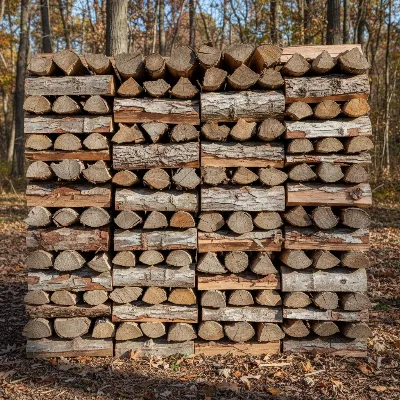 Stack of well-seasoned hardwood firewood, neatly piled outdoors with sun hitting it, ready for a low-smoke fire pit.
Master Your Fire: Airflow and Stacking
Proper fire management is crucial for a clean burn. Just like people, a fire needs to breathe.
- Keep your fire pit clean: Excess ash and unburnt debris at the bottom of the pit can block crucial airflow, leading to a smoky, smoldering fire. Regularly scoop out ash after each use.
- Proper wood stacking: Don’t just toss logs into the pit. Techniques like the “log cabin” or “teepee” method create natural air channels that allow oxygen to circulate around the wood, promoting a hotter, more efficient, and less smoky burn.
- Don’t overload the fire pit: Piling too much wood at once can smother the flames, restricting airflow and causing the fire to smoke heavily. Add wood gradually as needed.
- Use a chimney starter: For quicker, cleaner ignition, a charcoal chimney starter can help get your kindling and smaller wood pieces burning hot and evenly with minimal initial smoke before transferring them to the pit.
Strategic Placement and Wind Management
Even with a perfectly built fire, external factors like wind can direct smoke into your face. Strategic placement of your fire pit and awareness of wind patterns are key.
- Consider prevailing wind: Observe the typical wind direction in your yard. Position your fire pit so that the prevailing winds carry the smoke away from your primary seating area, your house, and your neighbors.
- Avoid low areas: Smoke tends to settle in depressions and low-lying spots. Choose a more open, elevated location if possible.
- Use wind guards or natural barriers: If your area is particularly breezy, a fire pit wind guard can help stabilize the flame and prevent smoke from swirling erratically. Natural wind buffers like shrubs, retaining walls, or fences (ensuring safe distances from flames) can also help disperse smoke.
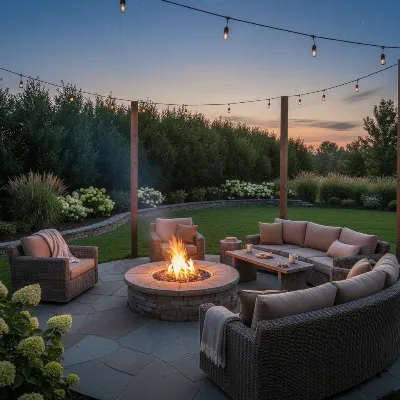 Outdoor fire pit with smoke drifting away from seating, illustrating proper placement relative to wind direction.
Personal Tactics for Eye Protection
While the above strategies aim to reduce smoke at the source, sometimes a rogue puff still finds its way. Here are a couple of personal tactics:
- Sit upwind: This is the most straightforward approach. Pay attention to the wind and position yourself so the smoke is blowing away from you.
- The “smoke follows you” phenomenon: It often feels like smoke is personally targeting you. This is partially due to the low-pressure zone created by your body blocking airflow near the fire. Slight shifts in your seating position or turning your body can sometimes disrupt this airflow and divert the smoke.
Top Low-Smoke Fire Pits for an Enhanced Experience
Investing in a purpose-built low-smoke fire pit can improve your outdoor gatherings. These models incorporate advanced designs to minimize smoke, offering a more pleasant experience.
Solo Stove Bonfire 2.0
The Solo Stove Bonfire 2.0 is a highly popular choice for its sleek design and effective smokeless technology. It features a signature 360° Airflow design, which draws air in from the bottom, feeds it through the double walls, and then releases superheated air through perforations at the top, leading to secondary combustion. This results in minimal smoke and a much hotter fire. The 2.0 version includes a removable ash pan, making cleanup significantly easier. It’s also praised for its portability, often coming with a carrying case, making it suitable for backyard use and car camping.
Breeo X Series 24
For those seeking a more robust and permanent solution, the Breeo X Series 24 stands out. Known for its durable Corten steel construction that develops a protective patina over time, the X Series utilizes a patented X Airflow system to feed oxygen to the fire from both the base and sides. This design promotes an efficient burn and substantially reduces smoke. While heavier and less portable than some counterparts, its solid build and excellent performance make it a top-tier choice for a long-lasting, low-smoke fire pit.
YEFU Low-Smoke Tabletop Fire Pit
If you’re looking for a more compact and budget-friendly option, the YEFU Low-Smoke Tabletop Fire Pit delivers impressive performance. Despite its smaller size and lower price point, testers have noted its ability to produce a large, smokeless flame with excellent burn times when using wood pellets. Its stainless steel finish adds an elegant touch, making it a great option for smaller patios or as a decorative centerpiece where warmth and minimal smoke are desired.
Your Buying Guide: Selecting the Best Low-Smoke Fire Pit
Choosing the right fire pit involves more than just aesthetics; it’s about matching the features to your lifestyle and space.
Define Your Needs
Before purchasing, consider how you intend to use your fire pit:
- Purpose: Is it primarily for warmth, cooking, ambiance, or a combination? Certain fire pits are better suited for grilling (e.g., some Breeo models), while others are purely for social gathering.
- Space: Do you have a large backyard, a compact patio, or do you need a portable option for camping? This will dictate the appropriate size and weight.
- Fuel type: Are you committed to wood, or would the convenience of gas be preferable? Do you want a truly smokeless experience or are you okay with minimal smoke from an efficient wood burner?
Material and Construction
The material and build quality impact both durability and performance.
- Stainless steel: Common in many smokeless designs (like Solo Stove), offering good heat retention and corrosion resistance.
- Corten steel: (Also known as weathering steel) used in brands like Breeo, develops a stable, rust-like appearance that protects the underlying metal, offering exceptional longevity.
- Double-wall design: Essential for wood-burning smokeless fire pits to facilitate secondary combustion.
Prioritize Safety Features
Safety should always be paramount.
- Spark screens: Crucial for preventing embers from escaping, especially in traditional wood-burning pits.
- Stable base: Ensure the fire pit is sturdy and won’t easily tip over.
- Clearances: Always follow manufacturer guidelines and local regulations regarding safe distances from structures and combustibles (typically 10-15 feet horizontally, 20 feet overhead).
- Non-flammable surface: Place your fire pit on concrete, stone, or gravel, avoiding wood decks or dry grass.
Maintenance and Longevity: Keeping Your Fire Pit Optimal
Proper care not only extends the life of your fire pit but also consistently contributes to a smoke-free experience.
- Regular cleaning: After each use, once cooled, remove ash and any unburnt wood fragments. This maintains optimal airflow and prevents buildup that can lead to smoke.
- Protect from elements: When not in use, cover your fire pit with a weather-resistant cover to protect it from rain and snow, which can cause rust and make future fires smoky. For wood, store it in a dry, covered area.
- Safe lighting and extinguishing: Always use appropriate fire starters and avoid accelerants. Ensure the fire is completely extinguished and cooled before leaving it unattended or covering it.
Conclusion
Enjoying the warmth and ambiance of a fire pit doesn’t have to mean enduring stinging eyes and smoky clothes. By understanding the causes of smoke and implementing smart strategies – from choosing perfectly seasoned hardwood and ensuring optimal airflow to investing in advanced low-smoke designs and mindful placement – you can improve your outdoor gatherings. A well-managed fire pit provides a clear, cozy space for relaxation and connection, allowing you to focus on making memories rather than dodging smoke. Which of these strategies will you implement first to enhance your next fire pit evening?
Frequently Asked Questions
Frequently Asked Questions
Do smokeless fire pits really work to reduce smoke?
Yes, smokeless fire pits are highly effective at significantly reducing visible smoke. Their innovative double-walled design and airflow systems promote secondary combustion, burning off smoke particles before they escape, resulting in a much cleaner and hotter fire than traditional models.
What type of wood produces the least amount of smoke?
Dry, seasoned hardwoods such as oak, maple, ash, hickory, and fruitwoods produce the least amount of smoke. These woods have low moisture content and density, allowing them to burn hotter and more completely compared to softwoods or green wood.
How far should a fire pit be placed from a house or structures?
Most safety guidelines recommend placing a fire pit at least 10 to 15 feet away from any structures, including your house, fences, or other combustible materials. It's also crucial to have at least 20 feet of vertical clearance from anything overhead.
Is it safe to use a fire pit on a wooden deck?
It is generally not recommended to place a fire pit directly on a wooden deck due to the risk of fire, warping, or scorching. If you must use one, always place a fireproof mat or heat shield underneath and ensure adequate clearance and constant supervision. Concrete, stone, or gravel surfaces are much safer.
Why does fire pit smoke seem to follow me specifically?
The sensation of smoke following you is often due to your body creating a low-pressure zone that draws smoke toward you. This can also be influenced by slight shifts in wind direction around obstacles, including people. Repositioning yourself upwind can help mitigate this effect.
How can you tell if firewood is properly seasoned?
Seasoned wood appears darker, is lighter in weight than green wood, and often has cracks or splits at the ends. It produces a clear, hollow sound when two pieces are knocked together, unlike the dull thud of wet wood. Seasoned wood also typically has a moisture content between 15% and 20%.
Cooking gear we tested in our own kitchens
Practical specs, not advice. Unsubscribe anytime.

I tried cleaning out my fire pit more regularly and stacking the wood differently for better airflow, but I still get a fair bit of smoke. It helped a little, but not as much as I hoped. Maybe my old pit just isn’t designed for it. I’m considering a Breeo next, but the price point is a bit steep.
I was so tired of constantly dodging smoke from our old fire pit. We finally bit the bullet and got a Solo Stove after reading about them, and it’s made such a difference! The smokeless technology really works, and now we can actually enjoy our backyard evenings without our eyes watering. Highly recommend for anyone dealing with a smoky fire.
The advice about placing the fire pit strategically with prevailing winds was a game-changer for us. We used to just plop it anywhere, but now we pay attention to the wind direction, and it makes a huge difference in keeping the smoke away from our seating area. Such a simple fix that I never thought of!
Great tips here! I always thought any wood was fine, but switching to dry, seasoned hardwoods like oak has seriously cut down on the smoke. It burns hotter and cleaner, and we’re not constantly moving our chairs around. Still get a little smoke on windy days, but it’s much better than before.