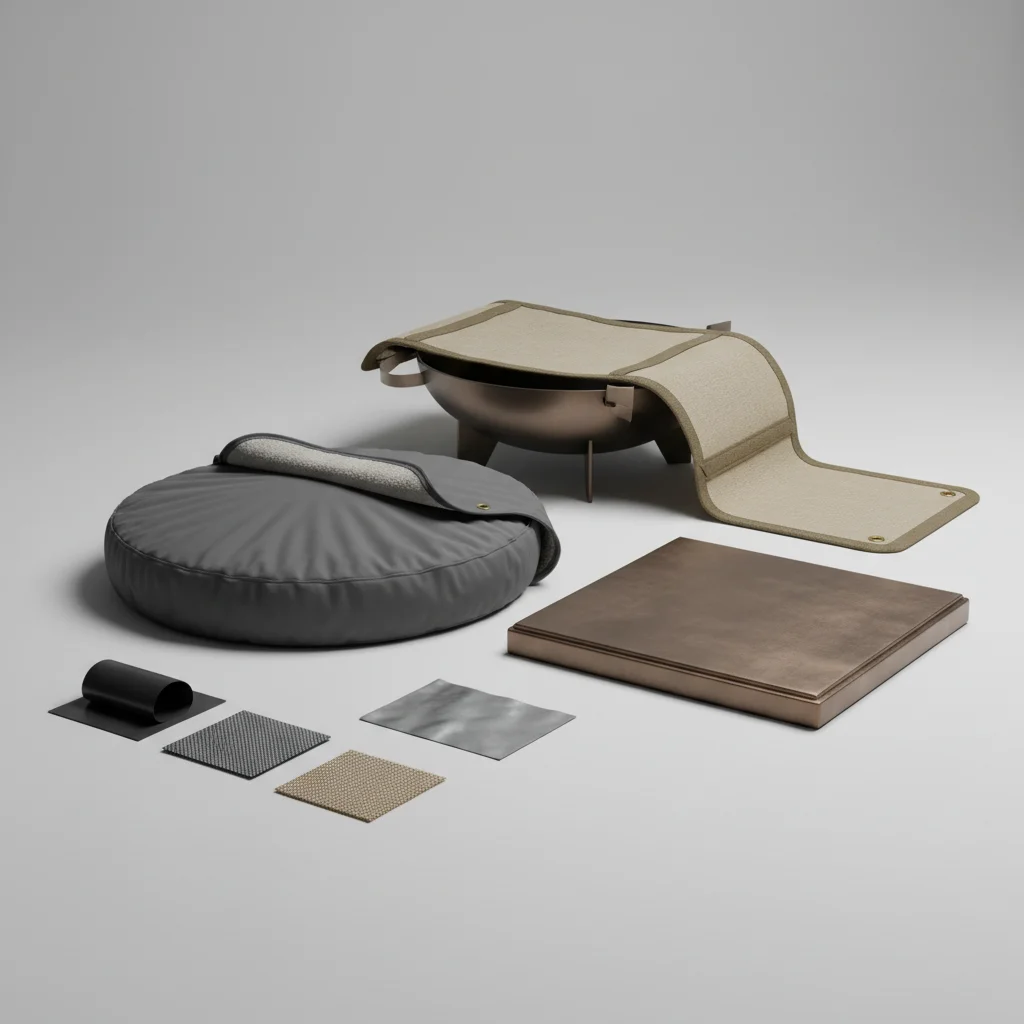
Choosing the right fire pit cover is crucial for protecting your investment and extending its lifespan. The best material for a fire pit cover depends on your local climate, storage needs, and the level of protection you require. Generally, durable materials like heavy-duty polyester with PVC coating, marine-grade vinyl, and sometimes even stainless steel are considered top contenders for their weather resistance and longevity.
Understanding Fire Pit Cover Materials
Fire pit covers come in a variety of materials, each offering different levels of protection and durability. The most common options include polyester, vinyl, and canvas. Polyester covers are often treated with a PVC or polyurethane backing to enhance their waterproof capabilities. This combination provides excellent resistance against rain, snow, and UV rays, making them a popular choice for year-round outdoor use. Look for covers with high denier counts, typically 600D or higher, as this indicates a thicker, more robust fabric.
Vinyl covers, particularly marine-grade vinyl, offer superior waterproofing and are highly resistant to tearing and cracking. They are an excellent option for areas with harsh weather conditions, including heavy rainfall and extreme temperatures. However, vinyl can sometimes be less breathable than treated polyester, potentially leading to condensation if not properly ventilated.
The Durability Factor: What to Look For
When assessing the durability of a fire pit cover, several factors come into play beyond just the material. Stitching quality is paramount; double-stitched seams with waterproof tape provide a much stronger barrier against water ingress. Reinforced corners and hems also prevent premature wear and tear, especially in windy conditions. Additionally, UV resistance is critical to prevent the material from fading, becoming brittle, and cracking over time due to sun exposure.
- UV Protection: Prevents material degradation and color fading.
- Waterproof Seams: Ensures no leaks through stitching.
- Reinforced Stress Points: Adds strength to corners and edges.
- Breathability: Reduces condensation build-up under the cover.
- Secure Fasteners: Keeps the cover in place during high winds.
Choosing the Right Cover for Your Climate
|
Our Picks for the Best Fire Pit in 2026
As an Amazon Associate I earn from qualifying purchases.
|
||
| Num | Product | Action |
|---|---|---|
| 1 | SINGLYFIRE 36 Inch Fire Pits for Outside Large Outdoor Wood Burning Crossweave firepit Heavy Duty Steel Bronze Bonfire Pit for Patio Backyard Garden with BBQ Grate,Spark Screen,Log Grate,Poker |

|
| 2 | HGD 20 Inch Smokeless Firepit with Grill, Portable Wood Burning Fire Pit for Camping & Backyard, Stainless Steel Outdoor Fireplace with Travel Bag, Easy Setup & Compact Storage - Foldable Design |
|
| 3 | Fire Beauty Fire Pit for Outside Wood Burning,BBQ Grill Steel Fire Bowl with Spark Screen Cover,Log Grate,Poker for Camping Beach Bonfire Picnic Backyard Garden |
|
| 4 | Fire Pit - 32-Inch Outdoor Wood Burning Firepit with Screen, Poker, and Cover - Outdoor Fire Pits for Backyard, Deck, or Patio by Pure Garden (Black) |
|
| 5 | Fire Pit - 32-Inch Outdoor Wood Burning Firepit with Screen, Poker, and Cover - Outdoor Fire Pits for Backyard, Deck, or Patio by Pure Garden (Black) |
|
| 6 | Wisteria Lane 3 in 1 43" Extra Large Fire Pit for Outside Wood Burning with 2 Adjustable Grills, Outdoor Fireplace with Lid and Fire Poker, BBQ & Bonfire & Round Metal Table for Patio, Backyard |
|
| 7 | BALI OUTDOORS Fire Pit with Poker, 32 inch Outdoor Fire Pit Patio, Wood Burning Firepits for Outside with Grill |
|
| 8 | Fire Beauty 26" Steel Fire Pit with Grill & Diamond Mesh Design,360° Airflow Tech for 80% Less Smoke,XL Flames,Heavy-Duty Portable Outdoor Fire Bowl for Camping, Backyard, Beach (22lbs, 4 Handles) |
|
| 9 | Kingson 26" Outdoor Fire Pit with Grill & Mesh Cover, Wood Burning Steel Firepit with Poker & Star Spark Screen, Heavy Duty Patio Fire Bowl for Backyard, Camping & Garden |
|
| 10 | CIAYS Smokeless Firepit, 19 Inch Fire Pit for Camping with Patented Technology, Portable Fire Pit for Outside with Steel Grill Rack, Fire Poker, and Bag, Easy Setup and Storage, Wood Burning |
|
Your local climate should heavily influence your fire pit cover choice. In regions with heavy rainfall or snow, a fully waterproof material like marine-grade vinyl or a high-denier polyester with a robust PVC backing is essential. For sunny, arid climates, UV resistance becomes a primary concern to prevent sun damage. If you experience strong winds, look for covers with secure fastening systems, such as drawstrings, buckles, or elastic hems, to prevent them from blowing off.
Maintenance and Longevity Tips
Even the most durable fire pit cover requires some maintenance to maximize its lifespan. Regularly clean your cover with mild soap and water to remove dirt, debris, and mildew. Ensure the fire pit is completely cool and clean before covering it to prevent damage to the cover and to avoid trapping moisture. Storing the cover indoors during prolonged periods of non-use, especially in extreme weather, can also significantly extend its life.
When to Consider a Hard Cover
While soft covers offer flexibility and ease of storage, hard covers, often made from steel, aluminum, or even concrete, provide an additional layer of protection. These are particularly useful for fire pits that are exposed to falling debris, heavy snow loads, or in areas where extra security is desired. Hard covers can also double as a tabletop when the fire pit is not in use, adding functionality to your outdoor space. However, they are typically heavier and more expensive than their soft counterparts.
Cooking gear we tested in our own kitchens
Practical specs, not advice. Unsubscribe anytime.
