A clogged propane fire pit burner can cause a sputtering or low flame, but most issues are easily resolved with DIY methods. Typically, blockages stem from environmental debris like dust, leaves, or insect nests, which obstruct the burner ports or air intake. Addressing these clogs involves a straightforward cleaning process that can restore your fire pit’s performance without professional help.
This guide provides a comprehensive approach to diagnosing, cleaning, and preventing clogs in your propane fire pit burner. You’ll learn to identify common flame-stifling culprits, follow a step-by-step cleaning process, and implement essential maintenance tips to keep your fire pit burning strong and safely for years.
What is a Propane Fire Pit Burner and Why Does it Clog?
At the heart of every propane fire pit lies the burner, a crucial component responsible for distributing gas and creating those captivating flames. Typically a ring or linear pan with numerous small holes (ports or jets), the burner mixes propane gas with oxygen, allowing for combustion. This seemingly simple system, however, is exposed to the elements and can become a magnet for various obstructions, leading to frustrating performance issues. For outdoor heating buying guides on this site.
Why do these burners clog? The primary culprits are often found right in your outdoor environment. Dust, dirt, leaves, and even fine particles from your fire media (like lava rocks or fire glass) can settle into the tiny burner ports. Spiders and other small insects are particularly fond of these sheltered, dark spaces, building nests that effectively block gas flow. Over time, rust can also develop, especially in metal burners, further constricting the openings. Even water or ice can accumulate in gas lines, acting as a temporary blockage. These obstructions prevent the optimal mixture of propane and air, resulting in weak, uneven, or absent flames.
Identifying the Culprit: Common Causes of Propane Burner Clogs
Before you dive into cleaning, understanding why your burner is misbehaving can help you target the problem more effectively. While a low flame might seem like a single issue, it often points to one of several common causes.
Burner Port Blockages
This is the most frequent cause of a clogged propane fire pit burner. The small holes on the burner, through which the gas exits, are prime targets for accumulating debris. You might notice some sections of your burner producing strong flames while others are weak, sputtering, or completely unlit.> “Spider webs and insect nests are surprisingly common culprits for burner clogs. Always check these hidden spaces first!” – John Miller, Outdoor Appliance Technician
Air Intake Obstruction
|
Our Picks for the Best Fire Pit in 2026
As an Amazon Associate I earn from qualifying purchases.
|
||
| Num | Product | Action |
|---|---|---|
| 1 | CIAYS Smokeless Firepit, 19 Inch Fire Pit for Camping with Patented Technology, Portable Fire Pit for Outside with Steel Grill Rack, Fire Poker, and Bag, Easy Setup and Storage, Wood Burning |

|
| 2 | BALI OUTDOORS Fire Pit with Poker, 32 inch Outdoor Fire Pit Patio, Wood Burning Firepits for Outside with Grill |
|
| 3 | Fire Beauty 26" Steel Fire Pit with Grill & Diamond Mesh Design,360° Airflow Tech for 80% Less Smoke,XL Flames,Heavy-Duty Portable Outdoor Fire Bowl for Camping, Backyard, Beach (22lbs, 4 Handles) |
|
| 4 | Fire Pit - 32-Inch Outdoor Wood Burning Firepit with Screen, Poker, and Cover - Outdoor Fire Pits for Backyard, Deck, or Patio by Pure Garden (Black) |
|
| 5 | Kingson 26" Outdoor Fire Pit with Grill & Mesh Cover, Wood Burning Steel Firepit with Poker & Star Spark Screen, Heavy Duty Patio Fire Bowl for Backyard, Camping & Garden |
|
| 6 | SINGLYFIRE 36 Inch Fire Pits for Outside Large Outdoor Wood Burning Crossweave firepit Heavy Duty Steel Bronze Bonfire Pit for Patio Backyard Garden with BBQ Grate,Spark Screen,Log Grate,Poker |
|
| 7 | Fire Pit - 32-Inch Outdoor Wood Burning Firepit with Screen, Poker, and Cover - Outdoor Fire Pits for Backyard, Deck, or Patio by Pure Garden (Black) |
|
| 8 | Fire Beauty Fire Pit for Outside Wood Burning,BBQ Grill Steel Fire Bowl with Spark Screen Cover,Log Grate,Poker for Camping Beach Bonfire Picnic Backyard Garden |
|
| 9 | Wisteria Lane 3 in 1 43" Extra Large Fire Pit for Outside Wood Burning with 2 Adjustable Grills, Outdoor Fireplace with Lid and Fire Poker, BBQ & Bonfire & Round Metal Table for Patio, Backyard |
|
| 10 | HGD 20 Inch Smokeless Firepit with Grill, Portable Wood Burning Fire Pit for Camping & Backyard, Stainless Steel Outdoor Fireplace with Travel Bag, Easy Setup & Compact Storage - Foldable Design |
|
A fire requires a precise balance of fuel and oxygen. Propane fire pits are designed with an air intake system to ensure this mixture. If this intake becomes blocked by dirt, dust, or even soot, it disrupts the combustion process, leading to a weak, yellow, or sooty flame.
Water or Ice in the Gas Line
Especially in colder climates or after heavy rain if your fire pit isn’t adequately covered, water can enter and freeze within the gas line. This creates a complete blockage, preventing any gas from reaching the burner, or a partial blockage leading to very low pressure.
Soot Buildup
While a clogged burner can cause soot, excessive soot buildup can also exacerbate clogging. Soot is a byproduct of incomplete combustion, which can occur if the gas-to-air mixture is off. This black, powdery residue can further block burner ports, creating a vicious cycle of poor performance.
While low propane supply or a faulty regulator can also cause low flames, these aren’t true “clogs” within the burner itself. However, their symptoms are similar, so it’s always wise to rule them out before assuming a physical blockage.
Essential Tools for Clearing Your Fire Pit Burner
Tackling a clogged propane fire pit burner is a straightforward DIY task that doesn’t require a specialized toolbox. Most of the items you’ll need are likely already in your garage or easily acquired. Gathering everything beforehand ensures a smooth and efficient cleaning process.
Here’s a list of the essential tools:
- Soft-bristle brush: An old toothbrush or a small utility brush is perfect for scrubbing away surface dirt, dust, and light soot from the burner ports.
- Fine wire or paper clip: For stubborn clogs, a straightened paper clip, a thin piece of wire (like a guitar string or craft wire), or a specialized orifice cleaning tool can dislodge debris from the tiny burner holes.
- Compressed air: A can of compressed air (like those used for cleaning electronics) or an air compressor with a nozzle is excellent for blowing out dust, spider webs, and small particles from burner ports and gas lines.
- Wrench (adjustable or specific size): If your burner features removable jets, you might need a wrench to carefully unscrew them for more thorough cleaning.
- Mild soap and warm water: For cleaning the exterior of the burner and removing any grease buildup.
- Soft cloths or microfiber towels: For wiping down surfaces and ensuring components are dry.
- Protective gloves: To keep your hands clean and protect them from grime.
- Safety glasses: Always a good idea when working with tools and blowing out debris.
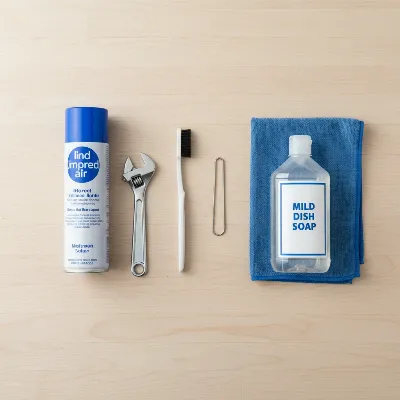 Essential tools for cleaning a clogged propane fire pit burner, including brushes, wire, and compressed air.
Step-by-Step DIY Guide to Fixing a Clogged Propane Fire Pit Burner
Once you have your tools ready, it’s time to get your hands dirty and bring your fire pit back to life. Always remember that safety is paramount when working with gas appliances. Follow these steps carefully to ensure a successful and safe cleaning process.
Step 1: Prioritize Safety – Shut Off Gas and Let Cool
Before touching anything, immediately turn off the gas supply to your fire pit. For propane tanks, this means closing the valve on the tank itself. If your fire pit has been recently used, allow it to cool down completely. This prevents accidental gas leaks and burns, making the entire process much safer. Disconnect the propane tank from the line if possible.
Step 2: Remove Decorative Media
Carefully remove any fire glass, lava rocks, ceramic logs, or other decorative media from the burner pan. Place them in a separate container. This will give you unobstructed access to the burner and its ports. It’s also a good opportunity to clean your fire media if it’s covered in soot or dust.
Step 3: Access and Inspect the Burner
Once the media is removed, you’ll see the burner itself. Give it a thorough visual inspection. Look for obvious signs of blockage: spider webs, insect nests, excessive dirt, rust spots, or particles of fire glass stuck in the holes. Note any areas where flames were particularly weak or absent—these are your target zones.
Step 4: Clean Burner Ports and Jets
This is the core of the clogging fix.
- Gentle Brushing: Start by using your soft-bristle brush (like an old toothbrush) to gently scrub the top surface of the burner. Work over each burner port, dislodging any loose debris, dust, or light soot.
- Using a Wire/Paper Clip for Stubborn Clogs: For more stubborn blockages, take your straightened paper clip or fine wire. Carefully insert it into each burner port, wiggling it gently to break up and push out any lodged debris. Be gentle to avoid damaging the delicate brass or stainless steel of the burner.
- (If applicable) Removing and Cleaning Individual Jets: Some high-end fire pits feature removable jets (often threaded into the burner). If yours does, and the clogs are severe, you can carefully unscrew these jets using a wrench. Clean each jet individually with a wire or paper clip, ensuring the tiny orifice is completely clear.
Step 5: Clear Air Intake Holes
While focusing on the burner ports, don’t forget the air intake holes. These are typically located on the side of the burner or near the gas inlet. Clear any visible debris, spider webs, or dust from these openings using your soft brush or a paper clip. An unobstructed air intake is crucial for a clean, strong flame.
Step 6: Use Compressed Air for Deeper Cleaning
After manually clearing the ports and air intakes, use compressed air to thoroughly blow out any remaining loose debris. Direct short bursts of air into the burner ports and air intake holes. This is particularly effective for removing fine dust or any internal blockages you couldn’t reach with a wire. If you suspect water or ice in the gas line, direct compressed air into the line from the burner side (after disconnecting it from the manifold, if possible) to push out any moisture.
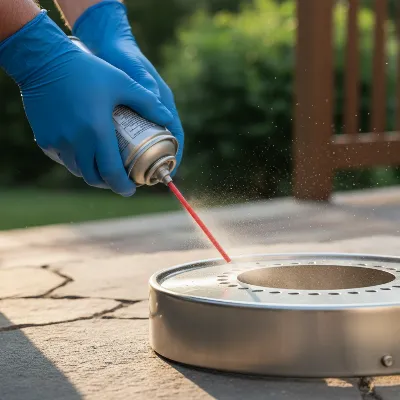 A person using compressed air to clear debris from a propane fire pit burner's ports.
Step 7: Address Soot and Grease Buildup
If you notice significant soot or grease buildup on the burner’s surface, mix a small amount of mild dish soap with warm water. Dampen a soft cloth (not dripping wet) with the solution and gently wipe down the burner’s exterior. Avoid getting water into the gas lines or electrical components. Once clean, wipe with a clean, damp cloth and then thoroughly dry the burner with a clean, soft towel to prevent rust.
Step 8: Reassemble and Test Your Fire Pit
Once all components are clean and dry, carefully reassemble your fire pit. If you removed individual jets, screw them back in securely, being careful not to cross-thread. Reconnect your propane tank, ensuring all connections are tight. Replace your decorative media.
Finally, slowly open the propane tank valve. Wait about 30 seconds for the gas to stabilize, then attempt to light your fire pit according to the manufacturer’s instructions. Observe the flames closely. Ideally, they should be even, strong, and consistent across all burner ports. If you can, test it at night when the flames are most visible to confirm every jet is firing properly.
Beyond the Clog: Preventative Maintenance for a Pristine Burner
Fixing a clogged burner is satisfying, but preventing future issues is even better. Regular care extends the lifespan of your fire pit and ensures it’s always ready when you are.
Regular Cleaning Habits
Make a habit of quick maintenance. After each use, once the fire pit has cooled, quickly wipe down the burner area and remove any visible leaves or large debris. A more thorough cleaning, as described above, should be performed monthly during peak season or at least seasonally (e.g., before and after winter storage). This routine keeps minor buildups from becoming major clogs.
The Power of a Protective Cover
This is arguably the most effective preventative measure. A high-quality, weatherproof cover protects your fire pit from rain, dust, UV rays, and most importantly, keeps insects and debris from entering the burner ports and gas lines when not in use. Ensure the cover fits snugly and is designed for outdoor exposure.
Inspecting Hoses and Connections
Periodically check the gas hose and all connections for signs of wear, cracks, or damage. Tighten any loose fittings. You can perform a simple leak test by applying a soapy water solution to the connections; if bubbles appear, you have a leak that needs immediate attention. Never use a fire pit with a suspected gas leak.
Proper Fuel and Regulator Use
Always use high-quality propane to minimize residue buildup in the lines and burner. Ensure you are using the correct regulator for your fire pit (a high-pressure regulator for most fire pits, not a low-pressure BBQ grill regulator). An incorrect or faulty regulator can cause low flame issues that mimic clogs and can lead to inefficient burning, which in turn can create more soot.
 A person placing a protective cover over a propane fire pit for long-term care.
Choosing a Fire Pit with Easy-Maintenance Burner Features
When considering a new fire pit or upgrading an existing one, think about features that simplify burner maintenance. Some designs inherently make cleaning easier and reduce the likelihood of clogs.
- Easily Accessible/Removable Burner Ports: Burners with jets that can be unscrewed individually are a huge plus for deep cleaning. This allows you to clear stubborn clogs more effectively than trying to poke a wire into fixed holes.
- Durable Burner Materials: Burners made from high-quality stainless steel or solid brass are more resistant to rust and corrosion, extending their lifespan and maintaining performance. These materials are also smoother, making it harder for debris to adhere.
- Design Considerations for Debris Management: Some fire pit designs incorporate features that help deflect debris away from the burner or make it easier to sweep out. A slightly raised burner pan, for instance, can prevent fine particles from settling directly into the ports.
- Protective Ignition Systems: While not directly related to clogs, an enclosed or protected ignition system is less prone to damage from moisture and debris, which can impact overall fire pit function.
Tips for Safe and Efficient Fire Pit Operation
Beyond cleaning and maintenance, how you operate your fire pit also contributes to its safety and efficiency.
- Burner Safety Precautions: Always keep a safe distance from the flames, especially children and pets. Never leave a burning fire pit unattended. Ensure proper ventilation around the unit, and never use it indoors or in enclosed spaces. Keep a fire extinguisher or a bucket of sand nearby for emergencies.
- Optimizing Flame Performance: For the best flame, ensure your propane tank is full and the valve is completely open. If you have an adjustable regulator, consult your manual for the optimal pressure setting. Running your fire pit for a minute on a low setting before increasing the flame can help purge air from the line and ensure a smoother ignition.
- Seasonal Care: If you live in a region with harsh winters, consider storing your propane fire pit indoors or at least protecting it thoroughly. Disconnect and store propane tanks safely in a well-ventilated area away from direct sunlight.
Conclusion
A clogged propane fire pit burner is a common issue, but it doesn’t have to ruin your outdoor enjoyment. By understanding the causes, gathering a few simple tools, and following our step-by-step DIY guide, you can confidently restore your fire pit to its full, fiery glory. Regular cleaning, combined with smart preventative measures like using a protective cover and inspecting connections, will ensure your fire pit remains a reliable source of warmth and ambiance for many seasons to come. Don’t let a diminished flame dampen your spirits—empower yourself with these easy fixes and enjoy the cozy magic of your outdoor haven.
What’s your favorite way to enjoy a perfectly burning fire pit on a cool evening?
Frequently Asked Questions
How often should I clean my propane fire pit burner?
It’s recommended to perform a light cleaning of your propane fire pit burner monthly during peak use seasons. A more thorough deep cleaning, including inspecting jets and air intakes, should be done at least once per season or after heavy use, especially before storing it for winter or bringing it out for summer.
Can I use water to clean my burner?
You can use a damp cloth with mild soap and water to wipe down the exterior of your burner to remove soot or grease. However, avoid submerging the burner or getting water into the gas lines or electrical components, as this can cause corrosion or damage. Always dry the burner thoroughly after any wet cleaning.
What if my fire pit still has a low flame after cleaning?
If your flame remains low after cleaning, the issue might be beyond a simple clog. Check your propane tank’s fuel level, ensure the tank valve is fully open, and inspect the regulator for damage or if it has tripped its excess flow valve (consult your manual for reset instructions). Incorrect gas line pressure or a faulty regulator are common culprits for persistent low flames.
How do spiders get into the burner?
Spiders are naturally attracted to dark, sheltered, and often unused spaces, making the small holes and tubes of a fire pit burner an ideal spot to build nests. They can crawl in through the burner ports or air intake holes. Using a protective cover when the fire pit is not in use is the best defense against insects.
Is it safe to unscrew burner jets myself?
If your fire pit burner is designed with removable jets, it is generally safe to unscrew them for cleaning, provided you follow safety precautions: ensure the gas supply is off and the unit is cool. Use the correct tools and be careful not to cross-thread the jets when reassembling. If you’re unsure or uncomfortable, consult a professional.
Frequently Asked Questions
How often should I clean my propane fire pit burner?
It's recommended to perform a light cleaning of your propane fire pit burner monthly during peak use seasons. A more thorough deep cleaning, including inspecting jets and air intakes, should be done at least once per season or after heavy use, especially before storing it for winter or bringing it out for summer.
Can I use water to clean my fire pit burner?
You can use a damp cloth with mild soap and water to wipe down the exterior of your burner to remove soot or grease. However, avoid submerging the burner or getting water into the gas lines or electrical components, as this can cause corrosion or damage. Always dry the burner thoroughly after any wet cleaning.
What if my fire pit still has a low flame after cleaning?
If your flame remains low after cleaning, the issue might be beyond a simple clog. Check your propane tank's fuel level, ensure the tank valve is fully open, and inspect the regulator for damage or if it has tripped its excess flow valve (consult your manual for reset instructions). Incorrect gas line pressure or a faulty regulator are common culprits for persistent low flames.
How do spiders get into fire pit burners?
Spiders are naturally attracted to dark, sheltered, and often unused spaces, making the small holes and tubes of a fire pit burner an ideal spot to build nests. They can crawl in through the burner ports or air intake holes. Using a protective cover when the fire pit is not in use is the best defense against insects.
Is it safe to unscrew individual burner jets for cleaning?
If your fire pit burner is designed with removable jets, it is generally safe to unscrew them for cleaning, provided you follow safety precautions: ensure the gas supply is off and the unit is cool. Use the correct tools and be careful not to cross-thread the jets when reassembling. If you're unsure or uncomfortable, consult a professional.
Fix a Clogged Propane Fire Pit Burner
This guide provides step-by-step instructions to safely diagnose, clean, and restore a clogged propane fire pit burner to optimal performance using common household tools.
Immediately turn off the gas supply to your fire pit by closing the valve on the propane tank. If the fire pit has been recently used, allow it to cool down completely to prevent accidental gas leaks and burns. Disconnect the propane tank from the line if possible for added safety.
Carefully remove all fire glass, lava rocks, or other decorative media from the burner pan and set them aside. This provides unobstructed access to the burner. Visually inspect the burner for obvious blockages like spider webs, insect nests, dirt, or rust spots, noting any areas with weak flames.
Use a soft-bristle brush to gently scrub the burner's surface and dislodge loose debris from the ports. For stubborn clogs, insert a straightened paper clip or fine wire into each burner port, wiggling gently to clear obstructions. If applicable, carefully unscrew and clean individual jets with a wire.
Clear any visible debris from the air intake holes, typically located near the gas inlet, using a soft brush or paper clip. Follow up by using compressed air to blow out any remaining fine dust, spider webs, or internal blockages from both the burner ports and air intake holes. Direct short bursts of air for best results.
Once all components are clean and dry, carefully reassemble your fire pit, ensuring any removed jets are securely screwed back in. Reconnect your propane tank, making sure all connections are tight. Slowly open the propane tank valve, wait 30 seconds, then light your fire pit according to manufacturer instructions and observe the flames for evenness and strength.
Cooking gear we tested in our own kitchens
Practical specs, not advice. Unsubscribe anytime.

Great tips here! I’ve had issues with low flame before, and it was always due to leaves getting into the air intake. The advice on preventing future clogs is really helpful. I’m going to be much more diligent about covering my fire pit when not in use to avoid those annoying blockages.
The instructions for diagnosing the flame issues were pretty good. I found out my problem was definitely an insect nest, which was gross but good to know. However, I wish there was a bit more detail on what kind of brush to use for really stubborn clogs inside the burner tube. I ended up just using a pipe cleaner, which worked okay.
This was exactly what I needed! My propane fire pit was barely igniting, and I was worried it was a major problem. Turns out, it was just some dust and debris in the burner. Following the cleaning steps, especially for the gas distribution holes, made a huge difference. It’s like having a brand new fire pit!
I was so frustrated with my fire pit sputtering and barely putting out any heat. I thought I’d have to call someone to fix it, but this guide saved me! The step-by-step cleaning process for the burner ports was super clear and easy to follow. My fire pit is burning beautifully now, just in time for fall evenings.