Choosing between concrete and steel fire pits depends on specific priorities like aesthetics, durability, and climate. Concrete fire pits offer a robust, architectural presence and excellent heat retention, while steel fire pits, particularly Corten and stainless steel, provide sleek modernity, portability, and superior resistance to rust and intense heat. Both materials, when properly selected and maintained, can enhance an outdoor living space for decades.
What Are Fire Pits and Why Do You Need One?
A fire pit is essentially a contained structure designed to hold a fire, bringing warmth and ambiance to any outdoor setting. Far from being mere backyard accessories, they function as architectural features and social anchors, extending the usability of your outdoor areas well beyond daylight hours. From intimate gatherings to lively entertainment, a fire pit fosters a cozy atmosphere, perfect for conversation, marshmallow roasting, or simply unwinding under the stars.
The benefits are manifold: they provide a natural gathering spot, enhance property value, and offer versatile utility for cooking or simply staying warm. Before selecting one, it’s crucial to consider factors like your available space, desired aesthetic, budget, and primary fuel type, as these elements will significantly influence the most suitable material and design for your needs. For see our outdoor heating recommendations on this site.
Understanding Fire Pit Materials: Concrete vs. Steel
The core material of your fire pit dictates much about its longevity, maintenance, and overall aesthetic. Concrete and steel stand out as prominent choices, each bringing a unique set of properties to the outdoor landscape. Understanding these fundamental differences is key to choosing the right investment for your outdoor haven.
Concrete Fire Pits
Concrete fire pits are crafted from precast or poured concrete, often utilizing advanced compositions like Glass Fiber Reinforced Concrete (GFRC) which offers enhanced strength while remaining relatively lightweight compared to traditional concrete. These pits are celebrated for their solid, architectural presence and seamless integration into various design schemes, from minimalist to rustic. 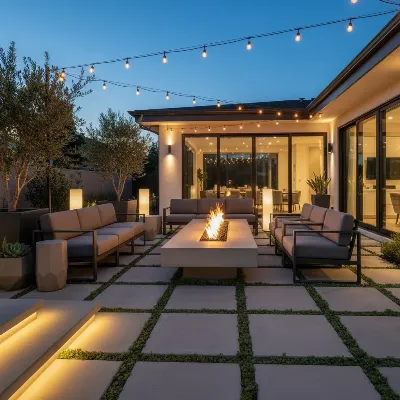 Modern concrete fire pit table on a contemporary patio with sleek outdoor furniture
Concrete boasts significant durability, resisting rust and warping, which are common issues with some metal alternatives. Its inherent thermal mass allows it to retain heat for extended periods, providing warmth even after the flames have died down. Moreover, when properly designed with heat-resistant liners and sealants, concrete fire pits can withstand harsh weather, including freeze-thaw cycles, though direct wood burning without proper insulation can lead to cracking or spalling over time due to thermal stress and moisture absorption. Concrete fire pits are often considered low-maintenance, requiring little more than a simple wipe-down when sealed, and their substantial weight offers excellent stability, making them less prone to tipping. Some designs also feature “zero clearance” capabilities, meaning the body stays cool to the touch and can be placed on various surfaces like decks or carpets without concern for heat transfer downwards.
Despite their advantages, concrete fire pits come with a few drawbacks. Their substantial weight can make them difficult to move, leading to a more fixed installation. While generally durable, hairline cracks can develop over time, particularly if not properly manufactured or maintained. The production of cement, a key component of concrete, also has a higher carbon footprint. Additionally, once a concrete fire pit design is chosen, it typically cannot be altered, limiting future redesign options.
Steel Fire Pits
|
Our Picks for the Best Fire Pit in 2026
As an Amazon Associate I earn from qualifying purchases.
|
||
| Num | Product | Action |
|---|---|---|
| 1 | SINGLYFIRE 36 Inch Fire Pits for Outside Large Outdoor Wood Burning Crossweave firepit Heavy Duty Steel Bronze Bonfire Pit for Patio Backyard Garden with BBQ Grate,Spark Screen,Log Grate,Poker |

|
| 2 | Fire Pit - 32-Inch Outdoor Wood Burning Firepit with Screen, Poker, and Cover - Outdoor Fire Pits for Backyard, Deck, or Patio by Pure Garden (Black) |
|
| 3 | BALI OUTDOORS Fire Pit with Poker, 32 inch Outdoor Fire Pit Patio, Wood Burning Firepits for Outside with Grill |
|
| 4 | CIAYS Smokeless Firepit, 19 Inch Fire Pit for Camping with Patented Technology, Portable Fire Pit for Outside with Steel Grill Rack, Fire Poker, and Bag, Easy Setup and Storage, Wood Burning |
|
| 5 | Fire Beauty Fire Pit for Outside Wood Burning,BBQ Grill Steel Fire Bowl with Spark Screen Cover,Log Grate,Poker for Camping Beach Bonfire Picnic Backyard Garden |
|
| 6 | Kingson 26" Outdoor Fire Pit with Grill & Mesh Cover, Wood Burning Steel Firepit with Poker & Star Spark Screen, Heavy Duty Patio Fire Bowl for Backyard, Camping & Garden |
|
| 7 | HGD 20 Inch Smokeless Firepit with Grill, Portable Wood Burning Fire Pit for Camping & Backyard, Stainless Steel Outdoor Fireplace with Travel Bag, Easy Setup & Compact Storage - Foldable Design |
|
| 8 | Wisteria Lane 3 in 1 43" Extra Large Fire Pit for Outside Wood Burning with 2 Adjustable Grills, Outdoor Fireplace with Lid and Fire Poker, BBQ & Bonfire & Round Metal Table for Patio, Backyard |
|
| 9 | Fire Beauty 26" Steel Fire Pit with Grill & Diamond Mesh Design,360° Airflow Tech for 80% Less Smoke,XL Flames,Heavy-Duty Portable Outdoor Fire Bowl for Camping, Backyard, Beach (22lbs, 4 Handles) |
|
| 10 | Fire Pit - 32-Inch Outdoor Wood Burning Firepit with Screen, Poker, and Cover - Outdoor Fire Pits for Backyard, Deck, or Patio by Pure Garden (Black) |
|
Steel fire pits encompass a range of alloys, with Corten steel and stainless steel being prominent choices in the high-end market. Corten steel, also known as weathering steel, is specially formulated to develop a stable, protective rust-like patina when exposed to the elements. This patina acts as a barrier, preventing deeper corrosion and eliminating the need for painting or coatings. Stainless steel, on the other hand, is known for its superior resistance to rust and corrosion, offering a sleek, modern aesthetic that remains consistent over time. 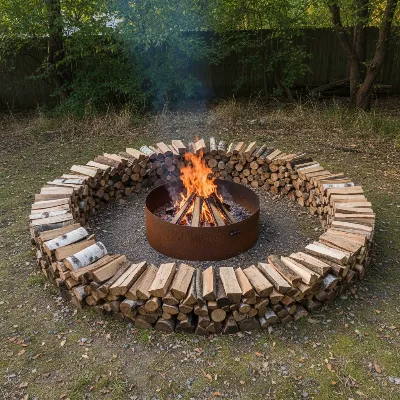 A round Corten steel fire pit with a natural patina in a rustic backyard setting with wood logs.
Steel fire pits, particularly those made from thicker gauge metals or Corten steel, are highly durable and perform exceptionally well in various outdoor environments. Corten steel is designed to last for decades, tolerating freeze-thaw cycles without cracking, making it a better choice for cold climates than unlined concrete. Steel fire pits are generally lighter than concrete counterparts, offering greater portability, especially for models designed for camping or temporary setups. They also tend to handle the direct, intense heat of wood-burning fires more effectively than unlined concrete. From an aesthetic perspective, steel fire pits can range from rugged industrial (Corten) to polished contemporary (stainless), offering versatility in design.
However, steel fire pits also have their considerations. Non-Corten or non-stainless steel options can be susceptible to rust if not properly cared for, potentially shortening their lifespan. While Corten steel is designed to rust protectively, its initial runoff can stain surfaces before the patina stabilizes. Stainless steel can discolor over time from heat exposure, though its structural integrity remains. Steel heats up quickly, which can restrict placement options on certain surfaces if a stand or heat-resistant mat is not used. While some steel fire pits may have a higher upfront cost, especially Corten, they can offer lower long-term ownership costs due to their inherent durability and minimal maintenance requirements.
Concrete vs Steel Fire Pits: A Detailed Comparison
Choosing between concrete and steel ultimately depends on your specific priorities, from aesthetic preference to climate considerations. Here’s a detailed comparison to help weigh your options:
| Feature | Concrete Fire Pits | Steel Fire Pits |
|---|---|---|
| Upfront Cost | Often lower, especially for standard designs. | Can be higher, particularly for Corten or thick-gauge stainless steel. |
| Lifetime Cost | Can incur higher long-term maintenance expenses (resealing, crack repair), especially if not properly designed/maintained for wood burning. | Typically offers lower lifetime ownership costs due to inherent durability and protective qualities (Corten) or corrosion resistance (stainless steel). |
| Durability | Very durable against physical impact; resists warping. Susceptible to cracking/spalling from thermal shock (direct wood flame without liner) or freeze-thaw cycles if not properly sealed. | Highly durable. Corten steel forms a protective rust layer that prevents deeper corrosion and lasts for decades. Stainless steel resists rust and corrosion. Can withstand higher direct heat from wood fires. |
| Aesthetic | Natural, earthy, and architectural. Blends well with various outdoor designs; highly customizable in shape, size, and finish. Tends to show wear, stains, and hairline cracks over time which some consider undesirable. | Modern, sleek, industrial. Corten develops a unique, deepening patina with age. Stainless maintains a clean, contemporary look. Can discolor from heat over time (stainless steel). |
| Maintenance | Low maintenance when sealed; requires occasional cleaning. May need resealing or crack repair over time. Gas burners require minimal upkeep. | Generally low. Corten steel requires no painting or coating. Stainless steel requires occasional cleaning to maintain shine; can be prone to surface rust if not stainless or if protective coating is compromised. |
| Weight/Portability | Very heavy, often a fixed installation. GFRC can be lighter than traditional concrete but still less portable than most steel options. | Generally lighter and more portable, especially smaller models. Excellent for camping or temporary setups. |
| Heat Retention | High thermal mass, retains heat longer, radiating warmth even after the fire is out. Body can stay cooler to the touch (zero clearance designs). | Heats up quickly. Does not retain heat as long as concrete. Metal body can become very hot, restricting placement options. |
| Safety | High stability due to weight. With proper design (liners for wood-burning), exterior stays cooler. Gas models are very safe. | Can become extremely hot to the touch, requiring caution. Less stable than heavy concrete if lightweight. Spark screens are crucial for wood-burning. Gas models are safe with proper checks. |
| Cold Climates | More vulnerable to cracking from freeze-thaw cycles if water penetrates unsealed material. Requires proper design and sealing. | Corten steel performs better, tolerating freeze-thaw cycles without cracking due to its protective patina. |
| Carbon Footprint | Higher due to cement production. | Varies depending on steel production and recycling processes. Corten eliminates need for paint, reducing environmental impact over time. |
Top Fire Pit Models
The market for fire pits is constantly evolving, with new designs and technologies emerging. Certain models stand out for their quality, performance, and aesthetic appeal in both concrete and steel categories.
Popular Concrete Fire Pits
For those drawn to the robust elegance and lasting presence of concrete, several brands lead the way with innovative and durable designs.
- Elementi Granville Fire Pit Table: This best-selling model, often made from GFRC, boasts a smooth, modern finish. With a robust 45,000 BTUs, it provides substantial warmth, making it suitable for colder weather and a stylish addition to any contemporary outdoor space.
- Prism Hardscapes Portos 58 Fire Table: Hand-crafted to rigorous quality standards, the Portos 58 combines sleek form with practical function. It’s an excellent choice for smaller spaces, often featuring integrated access for a propane tank, and its meticulous design makes it a beautiful centerpiece.
- The Outdoor GreatRoom Cove Series: Known for high-quality Supercast concrete construction, the Cove series presents a contemporary raw concrete finish. These models often come standard with diamond fire glass gems, enhancing their modern appearance and impressive flame display.
> “Concrete fire pits are engineered to last decades, resisting the rust and warp that can affect metal. Their high thermal mass means they continue to radiate warmth long after the flames are gone.” – ModaConcrete Content Team, The Ultimate Guide to Concrete Fire Pits: Safety, Design, and 2026 Trends
Popular Steel Fire Pits
For those preferring the clean lines, portability, or unique weathering of steel, several options offer exceptional performance and style.
- Breeo Y Series Smokeless Fire Pit: Made with thicker-gauge metal, the Y-Series is highly durable and can be used with multiple fuel types, including wood, lump charcoal, and pellets. It offers excellent smokeless operation, making it ideal for various settings from RV camping to backyard barbecues. Its robust design adds to its longevity.
- Solo Stove Bonfire 2.0: A popular choice for its innovative double-walled, stainless-steel construction, the Bonfire 2.0 excels at producing a virtually smokeless fire. This updated version includes a removable ash pan, simplifying cleanup, and its portable design makes it a favorite for backyard use or car camping.
- Tiki Patio Fire Pit: This stainless steel, wood-burning fire pit is lauded for its sturdy construction and ability to create gorgeous, mostly smokeless flame patterns. It’s a heavy-duty option designed as a permanent fixture for backyard entertaining.
How to Choose the Right Fire Pit for Your Space (Buying Guide)
Selecting the perfect fire pit involves more than just picking a pretty design. A thoughtful approach ensures your investment enhances your outdoor living while meeting practical and safety requirements.
Assess Your Needs and Space
Begin by envisioning how you’ll use your fire pit. Is it primarily for warmth and ambiance, or do you plan to use it for cooking? Consider the size of your outdoor area; a large, fixed concrete fire table might be perfect for an expansive patio, while a portable steel pit could be better for smaller backyards or for taking on camping trips. Determining if you need a stationary centerpiece or a movable option will heavily influence your material choice. Also, think about your preferred fuel type – wood-burning offers a traditional experience but requires more upkeep and produces smoke, while gas options provide instant, clean flames with minimal effort.
Material, Size, and Style Considerations
As explored, concrete and steel offer distinct aesthetics and performance characteristics. Concrete provides a grounded, architectural feel, often blending seamlessly with modern or minimalist landscapes. Steel, especially stainless steel, offers a sleek and contemporary look, while Corten steel brings a rustic, industrial charm that evolves with age. The size of the fire pit should be proportionate to your space and the number of people you typically host. A general rule of thumb is to allow at least three feet of clear space around the fire pit for safety and comfort.
Prioritizing Safety Features
Safety is paramount when dealing with open flames. Look for fire pits with essential safety features such as spark screens or guards to prevent embers from escaping, especially with wood-burning models. A stable and heavy base is crucial to prevent accidental tipping. For gas fire pits, ensure they have certified components and consider models with automatic shut-off valves for added peace of mind. Always place your fire pit on a stable, non-combustible surface like stone, concrete, or brick, and maintain a safe distance from structures, plants, and other flammable materials. If using on a deck, a heat-resistant mat or a zero-clearance design is essential.
Essential Tips for Using and Maintaining Your Fire Pit
Proper use and regular maintenance are critical for maximizing the lifespan and enjoyment of your fire pit, regardless of whether it’s concrete or steel.
For wood-burning fire pits, always use dry, seasoned wood to ensure a cleaner burn and minimize smoke and embers. Start with smaller kindling and gradually add larger logs, avoiding overfilling the pit. Once the fire is out and completely cooled, remove ash and debris regularly to maintain proper airflow and prevent corrosive buildup.
For both concrete and steel models, a well-fitted protective cover is invaluable when the pit is not in use. This shields it from rain, snow, and debris, significantly extending its life. Inspect your fire pit periodically for any signs of damage such as cracks (in concrete) or rust (in steel, if not Corten or stainless). Address minor issues promptly to prevent them from escalating. For gas fire pits, regularly check gas lines and connections for leaks using a soapy water solution (bubbles indicate a leak) and keep burner ports clear of debris.
Always keep a fire extinguisher, a bucket of sand, or a garden hose within easy reach when the fire pit is in use. Never leave a fire unattended, especially when children or pets are nearby, and avoid using your fire pit on windy days where embers could easily spread. Proper care ensures your fire pit remains a safe and inviting centerpiece for years to come.
Conclusion
The choice between a concrete and steel fire pit hinges on a blend of personal style, functional requirements, and environmental considerations. Concrete fire pits offer a grounded, robust aesthetic, exceptional heat retention, and customization options, albeit with a heavier footprint and potential vulnerability to thermal shock if not designed for direct wood burning. Steel fire pits, especially Corten and stainless steel, provide sleek modernity, portability, and superior resistance to rust and extreme heat, often with lower long-term maintenance. Both materials, when chosen wisely and cared for diligently, promise to be long-lasting investments, enhancing your outdoor living experience for decades. Ultimately, the “better” choice is the one that aligns perfectly with your specific outdoor space, climate, and lifestyle preferences.
Are you ready to elevate your outdoor space with the perfect fire pit, tailored to your unique vision?
Frequently Asked Questions
Can concrete fire pits explode?
No, concrete fire pits do not explode under normal conditions, especially when properly designed with heat-resistant liners or burners. Explosions primarily occur if moisture is trapped within unreinforced, non-heat-resistant concrete that is directly exposed to high heat, causing steam to build up rapidly. Reputable manufacturers use specialized concrete mixes and designs to prevent this.
Does steel rust?
Corten steel is designed to rust in a controlled manner, forming a protective patina that prevents deeper corrosion and does not rust through under normal conditions. Other types of steel, like galvanized or untreated carbon steel, can rust if not properly maintained or coated, while stainless steel offers superior resistance to rust and corrosion.
Which material is better for wood burning?
Steel fire pits generally handle the direct, intense heat of wood-burning fires better than concrete. Concrete fire pits intended for wood burning must include heat-resistant liners or refractory cement to prevent cracking or spalling due to thermal stress.
Are concrete fire pits heavier than steel?
Yes, concrete fire pits are typically much heavier than steel fire pits, which can make them difficult to move and usually requires a fixed installation. However, Glass Fiber Reinforced Concrete (GFRC) options are lighter than traditional concrete, offering a compromise between weight and durability.
Can I place a fire pit on a wooden deck?
For safety, you should always place a fire pit on a stable, non-combustible surface. If placing on a wooden deck, it is crucial to use a high-quality heat-resistant mat underneath. Some concrete fire pits offer a “zero clearance” design where the body remains cool, making them safer for deck placement, but a protective barrier is still recommended.
How to Choose the Right Fire Pit for Your Space
Selecting the perfect fire pit involves assessing your needs, considering materials and style, and prioritizing safety features to ensure your investment enhances your outdoor living while meeting practical requirements.
Determine the primary use for your fire pit, whether for warmth, ambiance, or cooking. Consider your outdoor area's size to decide between a large, fixed concrete fire table or a portable steel pit. Your preferred fuel type (wood or gas) will also influence material choice and maintenance.
Evaluate the distinct aesthetics and performance of concrete and steel. Concrete offers a grounded, architectural feel, while steel provides a sleek or industrial look. Ensure the fire pit's size is proportionate to your space and allows at least three feet of clear space for safety and comfort.
Look for essential safety features like spark screens for wood-burning models and a stable, heavy base to prevent tipping. For gas fire pits, ensure certified components and consider automatic shut-off valves. Always place your fire pit on a stable, non-combustible surface and maintain safe distances from flammable materials.
Cooking gear we tested in our own kitchens
Practical specs, not advice. Unsubscribe anytime.

Our new concrete fire pit has completely transformed our outdoor living space. It’s such a robust and architectural feature, just like the post mentioned. We’ve had so many compliments on it, and it’s become the go-to spot for family gatherings. Definitely worth the investment.
I was torn between Corten steel and stainless steel, but ultimately chose a Corten steel fire pit for its unique weathered look. It’s definitely a statement piece and has held up great so far, even with some pretty intense heat. The portability factor was also a big plus for us.
We went with a concrete fire pit after reading about their heat retention, and it’s been fantastic. It really does hold the warmth for a long time after the flames die down, which is perfect for those cooler evenings. It also looks incredibly substantial and high-end in our backyard.
We got a steel fire pit, and while I love the sleek modernity it adds to our patio, I was a little disappointed with how quickly it cools down compared to what I expected. It’s great for quick fires, but if you’re looking for lingering warmth, you might need to keep feeding it. Still, it looks good.