The Solo Stove Bonfire 2.0 is a revolutionary wood-burning fire pit designed to deliver an efficient, nearly smokeless experience, allowing users to enjoy the warmth and ambiance of a traditional bonfire without irritating fumes. This mid-sized model, measuring 19.5 inches in diameter and weighing 21-23 pounds, features a proprietary 360° Airflow Technology and a removable ash pan for easy cleaning, making it a popular choice for outdoor gatherings.
What is a Fire Pit and Why You Need One?
A fire pit is an outdoor feature designed to contain a fire, providing warmth, light, and a focal point for social gatherings. Beyond their aesthetic appeal, fire pits offer a versatile space for creating ambiance, telling stories, and even light cooking. They transform outdoor areas into cozy havens, extending usability well into cooler evenings or even during winter. Before investing in a fire pit, consider factors like its intended use—whether for cooking, pure warmth, or decorative purposes—along with your available space, material preferences, and budget.
Popular Fire Pit Classifications on the Market
The market offers a diverse range of fire pits, primarily categorized by their fuel type: wood, gas, and charcoal. Each offers a distinct experience, catering to different preferences for ambiance, convenience, and maintenance. Understanding these classifications helps in appreciating the innovation behind models like the Solo Stove Bonfire 2.0.
Wood-Burning Fire Pits
Wood-burning fire pits provide the most traditional and authentic bonfire experience. They evoke a primal sense of warmth and natural crackle, often accompanied by the pleasant aroma of burning wood.
- Advantages: Offers genuine fire ambiance, significant heat output, and the natural scent of burning wood. Fuel (logs) can be relatively inexpensive if sourced locally.
- Disadvantages: Requires purchasing or chopping wood, produces ash that needs cleaning, and generates smoke, especially with unseasoned wood. Temperature control can be challenging.
- Usage Notes: Always use dry, seasoned hardwood to minimize smoke and maximize burn efficiency. Ensure proper ventilation and keep a safe distance, especially from sparks.
Gas Fire Pits
Gas fire pits offer unparalleled convenience, igniting with the flip of a switch and providing instant, controllable flames. They are often fueled by propane tanks or natural gas lines.
- Advantages: Easy to start and stop, precise temperature control, produces no smoke or ash, and minimal clean-up.
- Disadvantages: Lacks the authentic wood-burning aroma and crackle, requires connection to a gas source, and fuel costs can be higher than wood. The flame aesthetic can sometimes feel less natural.
- Usage Notes: Regularly check gas lines and connections for leaks. Position away from flammable materials and ensure adequate ventilation.
Charcoal Fire Pits
|
Our Picks for the Best Fire Pit in 2026
As an Amazon Associate I earn from qualifying purchases.
|
||
| Num | Product | Action |
|---|---|---|
| 1 | BALI OUTDOORS Fire Pit with Poker, 32 inch Outdoor Fire Pit Patio, Wood Burning Firepits for Outside with Grill |

|
| 2 | CIAYS Smokeless Firepit, 19 Inch Fire Pit for Camping with Patented Technology, Portable Fire Pit for Outside with Steel Grill Rack, Fire Poker, and Bag, Easy Setup and Storage, Wood Burning |
|
| 3 | Fire Pit - 32-Inch Outdoor Wood Burning Firepit with Screen, Poker, and Cover - Outdoor Fire Pits for Backyard, Deck, or Patio by Pure Garden (Black) |
|
| 4 | Fire Pit - 32-Inch Outdoor Wood Burning Firepit with Screen, Poker, and Cover - Outdoor Fire Pits for Backyard, Deck, or Patio by Pure Garden (Black) |
|
| 5 | Kingson 26" Outdoor Fire Pit with Grill & Mesh Cover, Wood Burning Steel Firepit with Poker & Star Spark Screen, Heavy Duty Patio Fire Bowl for Backyard, Camping & Garden |
|
| 6 | Fire Beauty 26" Steel Fire Pit with Grill & Diamond Mesh Design,360° Airflow Tech for 80% Less Smoke,XL Flames,Heavy-Duty Portable Outdoor Fire Bowl for Camping, Backyard, Beach (22lbs, 4 Handles) |
|
| 7 | SINGLYFIRE 36 Inch Fire Pits for Outside Large Outdoor Wood Burning Crossweave firepit Heavy Duty Steel Bronze Bonfire Pit for Patio Backyard Garden with BBQ Grate,Spark Screen,Log Grate,Poker |
|
| 8 | Fire Beauty Fire Pit for Outside Wood Burning,BBQ Grill Steel Fire Bowl with Spark Screen Cover,Log Grate,Poker for Camping Beach Bonfire Picnic Backyard Garden |
|
| 9 | HGD 20 Inch Smokeless Firepit with Grill, Portable Wood Burning Fire Pit for Camping & Backyard, Stainless Steel Outdoor Fireplace with Travel Bag, Easy Setup & Compact Storage - Foldable Design |
|
| 10 | Wisteria Lane 3 in 1 43" Extra Large Fire Pit for Outside Wood Burning with 2 Adjustable Grills, Outdoor Fireplace with Lid and Fire Poker, BBQ & Bonfire & Round Metal Table for Patio, Backyard |
|
Charcoal fire pits are typically smaller and often used for cooking due to the consistent heat and smoky flavor they impart. They fall somewhere between wood and gas in terms of convenience.
- Advantages: Relatively inexpensive fuel, good for grilling, and often more portable than larger wood or gas units.
- Disadvantages: Produces ash and some smoke (though less than wood), takes time to heat up, and temperature control requires practice. Burn time can be shorter than wood.
- Usage Notes: Use quality charcoal for a clean burn. Always ensure proper ventilation and dispose of cooled ash safely.
Comparing Fire Pit Types
When choosing a fire pit, it’s essential to weigh the characteristics of each type against your lifestyle and outdoor space. The Solo Stove Bonfire 2.0, a sophisticated wood-burning model, aims to bridge the gap by offering the authenticity of wood with significantly reduced smoke.
| Feature | Wood-Burning Fire Pit (Traditional) | Gas Fire Pit | Charcoal Fire Pit | Solo Stove Bonfire 2.0 |
|---|---|---|---|---|
| Price | Low to Moderate | Moderate to High | Low | High (often on sale) |
| Durability | Varies by material | High (stainless steel, stone) | Varies by material | High (304/430 stainless steel) |
| Convenience | Low (requires setup, cleaning) | High (instant on/off, no cleanup) | Medium (setup, ash disposal) | High (easy light, removable ash pan) |
| Safety | Moderate (sparks, hot surfaces) | High (controlled flame, no sparks) | Moderate (hot coals, ash) | High (smokeless, stand included, hot sides) |
| Smoke Output | High | None | Low to Medium | Minimal to none (with proper fuel) |
| Heat Control | Low | High | Medium | Medium (affected by wood type/amount) |
| Portability | Varies (some cast iron are heavy) | Low (propane tanks heavy, gas lines fixed) | High (smaller, lighter models) | High (21-23 lbs, carry case) |
| Ambiance | Authentic, crackling fire | Clean, consistent flame | Grilling-focused, less visual flame | Bright, consistent, smokeless flame |
Solo Stove Bonfire 2.0: The Test
The Solo Stove Bonfire 2.0 stands out in the wood-burning category by promising a smokeless experience, a claim that numerous tests and user reviews largely confirm. Its sleek, stainless steel design and innovative airflow system aim to redefine the traditional bonfire.
The Bonfire 2.0 is the mid-sized model in the Solo Stove lineup, typically measuring 19.5 inches in diameter and around 14-17 inches in height, weighing approximately 21-23 pounds. This makes it a balanced choice for both backyard use and portability for camping or tailgating trips. The construction features durable 304 and 430 stainless steel, contributing to its longevity and modern aesthetic.
The core of its “smokeless” performance lies in the proprietary 360° Airflow Technology. This involves a double-walled design with exterior vent holes at the base and interior vent holes near the top rim. As a fire kindles, air is drawn in through the bottom vents, fueling the primary burn. Simultaneously, air is pulled between the double walls, where it heats up. This preheated air then exits through the top inner vents, igniting smoke particles before they can escape, resulting in a “secondary burn” that creates a hotter, cleaner flame with significantly less smoke. Testing indicates that while some smoke is present during ignition and when the fire is dying down, the Bonfire 2.0 effectively minimizes smoke during peak burn, especially with dry, seasoned hardwoods. One reviewer noted, “The Bonfire 2.0 was as smokeless as it gets for wood fires. The number one thing that ruins a backyard fire is that large pillar of smoke. Somehow, it always seems to find you wherever you’re seated! Solo Stove’s design is brilliant here.”
A significant improvement in the 2.0 version is the removable ash pan and base plate. The original Bonfire required users to flip the entire unit to empty ashes, a cumbersome and messy process. With the 2.0, cleaning is as simple as waiting for the pit to cool, lifting the perforated plate, and removing the ash pan for easy disposal. This enhancement dramatically improves user-friendliness and maintenance. “The removable ash pan and base plate are new additions for the Solo Stove 2.0 models from late 2022; the 1.0 versions needed to be Shop-Vacced or tipped over and dumped out in order to be cleaned between fires.”
In terms of heat output, the Bonfire 2.0 burns hot and fast, reaching temperatures up to 1,000°F and efficiently warming a group of 4-8 people. However, reviewers often note that most of the heat radiates upwards. To effectively spread heat horizontally, especially on colder nights, accessories like the heat deflector are highly recommended. While it ignites quickly (often within 10 minutes), its efficient burn means it consumes wood at a faster rate than traditional fire pits. For instance, three medium-sized logs might last around 45-60 minutes.
Portability is a strong suit, with the Bonfire 2.0 being lightweight and including a nylon carrying case. However, it’s crucial to allow ample time for the unit to cool completely (an hour or more) after use before attempting to move or store it, as the stainless steel exterior gets very hot. Unlike some fire pits, it cannot be doused with water to extinguish the fire early, as this can clog the ash pan and affect future airflow.
The Solo Stove Bonfire 2.0 also offers a wide array of accessories, enhancing its functionality. These include heat deflectors for better warmth distribution, grill tops for cooking, spark screens for safety, and stands for use on heat-sensitive surfaces like decks or grass. While these accessories add to the overall cost, they expand the fire pit’s versatility.
> “The Solo Stove Bonfire delivered everything it promised in a smokeless firepit. Also, the price is more than reasonable given the innovative dual chamber design and the use of 304 and 430 stainless steel that should extend its lifespan if well maintained.” – Clint Cantwell, President of AmazingRibs.com
Solo Stove Bonfire 2.0 vs. Breeo Y Series
When comparing the Solo Stove Bonfire 2.0 to other premium smokeless fire pits like the Breeo Y Series, several distinctions emerge. Both brands excel at drastically reducing smoke output, offering a truly enjoyable fire experience.
The Solo Stove Bonfire 2.0 boasts a sleeker, more minimalist design, often described as contemporary, and is generally lighter, enhancing its portability with the included carry case. Its extensive range of accessories, including various grill tops, woks, and pizza oven attachments, provides significant flexibility for diverse cooking styles.
The Breeo Y Series, while also portable, is typically heavier and features a more rugged build, often with a built-in handle. Breeo offers more flexibility in fuel, officially supporting charcoal and hardwood pellets in addition to wood logs, whereas Solo Stove primarily recommends wood logs. Some tests suggest the Breeo Y Series may radiate heat more effectively towards the feet, while the Solo Stove’s heat tends to rise. The Breeo also touts “Made in the USA” manufacturing, which some consumers prefer. Pricing can also be a differentiating factor, with Breeo often positioned at a higher price point. Ultimately, both are top-tier smokeless fire pits; the choice often comes down to specific preferences for design, cooking versatility, and manufacturing origin.
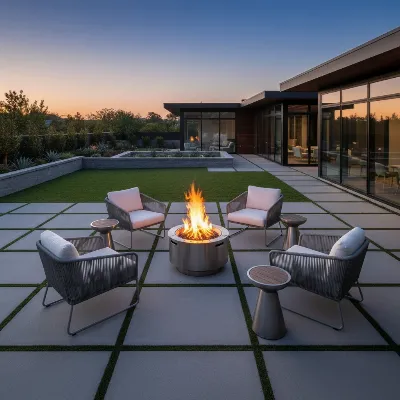 Solo Stove Bonfire 2.0 burning brightly in a backyard setting at dusk, surrounded by chairs, showcasing its smokeless flame and modern design.
Buying Guide: How to Choose the Right Fire Pit
Selecting the perfect fire pit involves more than just aesthetics; it requires careful consideration of your lifestyle, space, and safety priorities. A well-chosen fire pit can become the heart of your outdoor living area, providing warmth and entertainment for years.
Determine Usage Needs
Before anything else, clarify your primary intentions for the fire pit. Do you envision cozy evenings with family, hosting large outdoor parties, or simply adding a decorative element to your patio?
- Purpose: If cooking is a priority, consider models with grilling attachments or open-flame cooking capabilities. For pure ambiance and warmth, a simple yet efficient model will suffice.
- Space: Measure your outdoor area. A larger backyard can accommodate a substantial, fixed fire pit, while smaller patios or balconies might benefit from a compact or portable design like the Solo Stove Bonfire 2.0.
- Mobility: Decide if you need a fire pit that can be easily moved for camping trips or rearranged in your yard, or if a permanent fixture is more suitable.
Choose Appropriate Material and Size
The material and size of your fire pit significantly impact its durability, aesthetics, and heat distribution.
- Materials: Common materials include stainless steel (known for durability and modern look, like the Solo Stove), copper (develops a natural patina, excellent heat conductor), cast iron (heavy, retains heat well, rustic look), and stone or concrete (durable, natural aesthetic, can be very heavy and permanent).
- Size: The diameter and depth determine the log capacity and the radius of heat distribution. A 19.5-inch diameter Bonfire 2.0 is ideal for 4-8 people, but larger gatherings might warrant a bigger pit or multiple units.
Note on Safety Features
Safety should always be paramount when dealing with open flames. Prioritize fire pits that incorporate thoughtful safety elements.
- Certifications: Look for products that meet relevant safety standards.
- Spark Screens: Essential for wood-burning fire pits to prevent embers from escaping and causing unintended fires.
- Stands/Heat Barriers: Crucial for protecting heat-sensitive surfaces like wooden decks or lawns. The Solo Stove Bonfire 2.0 comes with a stand that helps keep the ground beneath cool.
- Proximity to Flammables: Always ensure your fire pit is placed a safe distance from structures, overhanging branches, and other combustible materials.
- Fire Extinguishers: Keep a fire extinguisher, bucket of sand, or water hose readily accessible for emergencies.
Tips for Using and Maintaining Your Solo Stove Bonfire 2.0
To ensure the best and safest experience with your Solo Stove Bonfire 2.0, follow these essential usage and maintenance tips. Maximizing its efficiency and longevity comes down to proper fueling, ignition, and care.
How to Light and Maintain Your Fire
- Fuel Selection: Always use dry, seasoned hardwoods (oak, maple, birch) cut to size, ensuring they do not protrude above the interior vent holes. Wet or unseasoned wood will produce more smoke and less efficient burn.
- Kindling: Place a small amount of kindling (small sticks, firestarters, newspaper) on the base plate.
- Ignition: Light the kindling. Once it catches, gradually add small pieces of wood, building up to larger logs as the fire grows. The 360° Airflow system will begin its secondary burn process as the pit heats up.
- Maintaining the Flame: Continuously feed the fire with dry wood, keeping the logs below the top air vents for optimal smokeless performance. The Bonfire 2.0 burns hot and fast, so be prepared to add wood more frequently than with a traditional pit.
- No Water: Never use water to extinguish the fire, as this can create a messy ash slurry and clog the airflow holes, impacting future use. Allow the fire to burn down naturally and the unit to cool.
How to Clean and Maintain Your Fire Pit
- Cool Down: Wait for the fire pit to cool completely, which can take an hour or more after the flames die out. The stainless steel exterior can remain very hot.
- Ash Removal: Once cool, gently lift the flame ring and the perforated base plate. Brush any remaining ash through the holes into the removable ash pan below.
- Dispose: Remove the ash pan and dispose of the fine ash responsibly.
- Cleaning the Exterior: For stubborn stains or to restore the stainless steel’s shine, use a non-abrasive cleaner like Bar Keepers Friend. A yellowish “patina” is normal after high heat exposure but can often be cleaned.
- Storage: Store your Bonfire 2.0 in a cool, dry place or use its protective cover (sold separately) when not in use to prevent rust, especially if exposed to the elements.
Safety Measures When Using a Fire Pit
- Clearance: Always place the fire pit on a non-combustible surface, using the included stand. Maintain ample clearance (at least 10-15 feet) from structures, fences, overhanging trees, and anything flammable.
- Supervision: Never leave a burning fire pit unattended, especially with children or pets around. The sides of the Bonfire 2.0 get extremely hot during use.
- Spark Arrestor: Consider purchasing a spark screen accessory to contain stray embers, particularly in windy conditions.
- Emergency Plan: Have a fire extinguisher, bucket of sand, or water source nearby in case of emergencies.
- Safe Fuels Only: Only burn wood in the Bonfire 2.0. Avoid trash, leaves, or accelerants, which can produce excessive smoke, sparks, and dangerous fumes.
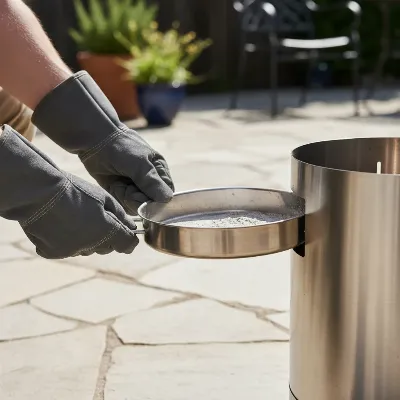 A person wearing protective gloves carefully removing the ash pan from a cooled Solo Stove Bonfire 2.0, showing the minimal ash residue and ease of cleaning.
Conclusion
The Solo Stove Bonfire 2.0 stands as a testament to innovative outdoor living, effectively delivering on its promise of a nearly smokeless, highly efficient wood fire. With its sleek stainless steel design, robust secondary burn technology, and the convenience of a removable ash pan, it offers a superior bonfire experience that minimizes the drawbacks of traditional fire pits. While its upfront cost may be higher and it consumes wood more rapidly, the unparalleled ambiance, reduced smoke, and ease of cleaning make it a worthwhile investment for those seeking to elevate their outdoor gatherings.
Ready to transform your backyard into a smoke-free sanctuary? Will the promise of a clear view of the stars, free from irritating fumes, finally convince you to embrace the future of fire pits?
Frequently Asked Questions
Frequently Asked Questions
Is the Solo Stove Bonfire 2.0 truly smokeless?
The Solo Stove Bonfire 2.0 is designed to be nearly smokeless. Its double-walled airflow system creates a secondary burn that re-ignites smoke particles, significantly reducing visible smoke during peak burn compared to traditional fire pits.
Can I use the Solo Stove Bonfire 2.0 on a wooden deck?
Yes, the Solo Stove Bonfire 2.0 includes a stand specifically designed to protect heat-sensitive surfaces like wooden decks or grass. While the stand keeps the bottom cool, the sides of the fire pit get very hot, so always ensure ample clearance (at least 10-15 feet) and supervision.
What kind of wood should I use in my Solo Stove Bonfire 2.0?
For the best smokeless experience and an efficient burn, use dry, seasoned hardwoods such as oak, maple, or birch. Ensure logs are cut to fit below the top interior vent holes. Avoid softwoods like pine or unseasoned wood, as they produce more smoke and creosote.
How do I clean the Solo Stove Bonfire 2.0?
Cleaning the Bonfire 2.0 is easy thanks to its removable ash pan. Once the fire pit has completely cooled (which can take an hour or more), simply lift the flame ring and base plate, brush the fine ash into the pan, and then remove the ash pan for disposal.
How long does the Solo Stove Bonfire 2.0 stay hot after use?
The Solo Stove Bonfire 2.0 can remain hot to the touch for an hour or more after the flames have died down. It is crucial to wait until the unit is completely cool before attempting to move it or put on its carrying case to prevent burns and damage. Do not use water to speed up the cooling process.
Is the Solo Stove Bonfire 2.0 portable for camping?
Weighing around 21-23 pounds and including a carrying case, the Bonfire 2.0 is quite portable for its size, making it suitable for car camping or tailgating. However, remember that it must be completely cooled before packing, which can take some time.
How to Use and Maintain Your Solo Stove Bonfire 2.0
Follow these essential tips for lighting, maintaining, and cleaning your Solo Stove Bonfire 2.0 to ensure the best and safest experience, maximizing its efficiency and longevity.
Always use dry, seasoned hardwoods like oak or maple, cut to fit below the interior vent holes. Place kindling on the base plate, light it, and gradually add small pieces of wood. Keep logs below the top air vents for optimal smokeless performance; the Bonfire 2.0 burns hot and fast, requiring frequent wood additions.
Wait for the fire pit to cool completely, which can take over an hour. Gently lift the flame ring and perforated base plate, brushing any ash into the removable ash pan below. Remove the ash pan for responsible disposal. For stubborn exterior stains, use a non-abrasive cleaner like Bar Keepers Friend.
Store your Bonfire 2.0 in a cool, dry place or use its protective cover (sold separately) when not in use. This prevents rust and protects the unit from the elements. Never use water to extinguish the fire, as this can clog airflow holes and create a messy ash slurry.
Always place the fire pit on a non-combustible surface using the included stand, maintaining at least 10-15 feet of clearance from structures and flammable materials. Never leave a burning fire pit unattended, especially with children or pets, as the sides get extremely hot. Keep a fire extinguisher or water source nearby for emergencies.
Cooking gear we tested in our own kitchens
Practical specs, not advice. Unsubscribe anytime.

I was skeptical about the ‘smokeless’ claim for the Solo Stove Bonfire 2.0, but it really delivers! We used it for a backyard gathering last weekend and everyone was amazed at how little smoke there was. The removable ash pan is a game-changer for cleanup too; it makes tidying up after a fire so much easier than our old pit.
We absolutely love our new Solo Stove! It’s transformed our outdoor space into such a cozy haven, just like the post described. We’ve used it for s’mores with the kids and just relaxing by the fire on cooler evenings. It’s truly a fantastic investment for anyone looking to extend their outdoor living.
The Solo Stove Bonfire 2.0 is pretty good overall. It definitely cuts down on the smoke, which is a huge plus. However, I found it a bit heavier than the 21-23 pounds mentioned, making it a little awkward to move around by myself. Still, it’s a solid fire pit for the price.
This fire pit is fantastic for creating a great ambiance. The 360° Airflow Technology really does make a difference in how efficiently the wood burns. My only minor complaint is that for its 19.5-inch diameter, it feels a little smaller than I expected once the fire gets going, but it’s still perfect for our patio.