Do you dream of cozy evenings on your small balcony, complete with the mesmerizing glow and comforting warmth of a fire? For many, limited outdoor space often means sacrificing such luxuries. However, tabletop fire pits offer a brilliant solution, transforming even the most compact balconies into inviting havens. These portable, stylish, and efficient fire features bring ambiance, warmth, and a touch of elegance without demanding extensive room. This guide will explore everything you need to know, from understanding different types and their benefits to selecting the perfect model and ensuring safe enjoyment, helping you find the ideal tabletop fire pit to elevate your outdoor living experience.
What is a Tabletop Fire Pit and Why Do You Need One?
A tabletop fire pit is a compact, portable fire feature designed to sit on a table or other flat surface, bringing the charm of a fire to smaller outdoor areas like balconies, patios, and decks. Unlike large, built-in fire pits, these mini versions offer convenience and versatility, making them an excellent choice for urban dwellers or anyone with limited space. They typically use clean-burning fuels such as propane, bioethanol, or gel fuel, providing an appealing flame without the smoke and mess often associated with traditional wood-burning options.
The benefits of incorporating a tabletop fire pit into your outdoor space are numerous. They instantly create a warm, inviting atmosphere, perfect for intimate gatherings, romantic evenings, or simply unwinding after a long day. Beyond their aesthetic appeal, many models provide a surprising amount of warmth, extending the usability of your balcony into cooler evenings. Their portable nature means you can easily move them to different spots, store them away when not in use, or even take them on a camping trip. Furthermore, most tabletop fire pits are incredibly easy to use and maintain, offering instant flames with minimal cleanup.
Popular Tabletop Fire Pit Classifications
Tabletop fire pits come in various fuel types, each offering a distinct experience regarding ambiance, heat output, and maintenance. Understanding these classifications is key to choosing the right one for your small balcony.
Wood-Burning/Pellet Fire Pits
Wood-burning or pellet tabletop fire pits offer the most traditional campfire experience, complete with crackling sounds and a natural wood aroma. They typically use small wood pellets or mini firewood, designed for more efficient combustion and less smoke than larger wood-burning pits.
- Pros: Authentic flame and ambiance, natural wood scent, satisfying crackle.
- Cons: Requires fuel storage, can produce some smoke (though often low-smoke designs exist), harder to regulate heat, ash cleanup.
- Usage Notes: Ensure you use dry, seasoned wood or recommended pellets. Always have a spark screen if provided, and be mindful of smoke direction on a balcony, especially with neighbors. Choose a model with a removable ash pan for easier cleaning.
|
Our Picks for the Best Fire Pit in 2026
As an Amazon Associate I earn from qualifying purchases.
|
||
| Num | Product | Action |
|---|---|---|
| 1 | CIAYS Smokeless Firepit, 19 Inch Fire Pit for Camping with Patented Technology, Portable Fire Pit for Outside with Steel Grill Rack, Fire Poker, and Bag, Easy Setup and Storage, Wood Burning |

|
| 2 | BALI OUTDOORS Fire Pit with Poker, 32 inch Outdoor Fire Pit Patio, Wood Burning Firepits for Outside with Grill |
|
| 3 | Fire Beauty 26" Steel Fire Pit with Grill & Diamond Mesh Design,360° Airflow Tech for 80% Less Smoke,XL Flames,Heavy-Duty Portable Outdoor Fire Bowl for Camping, Backyard, Beach (22lbs, 4 Handles) |
|
| 4 | Fire Pit - 32-Inch Outdoor Wood Burning Firepit with Screen, Poker, and Cover - Outdoor Fire Pits for Backyard, Deck, or Patio by Pure Garden (Black) |
|
| 5 | Fire Beauty Fire Pit for Outside Wood Burning,BBQ Grill Steel Fire Bowl with Spark Screen Cover,Log Grate,Poker for Camping Beach Bonfire Picnic Backyard Garden |
|
| 6 | Wisteria Lane 3 in 1 43" Extra Large Fire Pit for Outside Wood Burning with 2 Adjustable Grills, Outdoor Fireplace with Lid and Fire Poker, BBQ & Bonfire & Round Metal Table for Patio, Backyard |
|
| 7 | Fire Pit - 32-Inch Outdoor Wood Burning Firepit with Screen, Poker, and Cover - Outdoor Fire Pits for Backyard, Deck, or Patio by Pure Garden (Black) |
|
| 8 | SINGLYFIRE 36 Inch Fire Pits for Outside Large Outdoor Wood Burning Crossweave firepit Heavy Duty Steel Bronze Bonfire Pit for Patio Backyard Garden with BBQ Grate,Spark Screen,Log Grate,Poker |
|
| 9 | HGD 20 Inch Smokeless Firepit with Grill, Portable Wood Burning Fire Pit for Camping & Backyard, Stainless Steel Outdoor Fireplace with Travel Bag, Easy Setup & Compact Storage - Foldable Design |
|
| 10 | Kingson 26" Outdoor Fire Pit with Grill & Mesh Cover, Wood Burning Steel Firepit with Poker & Star Spark Screen, Heavy Duty Patio Fire Bowl for Backyard, Camping & Garden |
|
Propane Fire Pits
Propane tabletop fire pits are known for their convenience and clean burn. They connect to a small propane tank (often hidden beneath the table or within the unit itself) and offer instant, adjustable flames.
- Pros: Easy to use with instant ignition, adjustable flame and heat, clean-burning with no smoke or ash, minimal cleanup.
- Cons: Requires propane tank storage, fuel costs can be higher, less authentic flame appearance than wood.
- Usage Notes: Always check gas connections for leaks before use. Ensure proper ventilation and never use indoors. Keep the propane tank upright and away from direct heat.
Bioethanol Fire Pits
Bioethanol fire pits use a liquid alcohol-based fuel that burns cleanly without smoke, soot, or ash, making them suitable for both indoor and outdoor use (with proper ventilation). They create a beautiful, dancing flame for ambiance.
- Pros: Extremely clean burn with no smoke or odor, safe for indoor/outdoor use, elegant and modern aesthetic, easy to light and extinguish.
- Cons: Primarily for ambiance with limited heat output, fuel can be more expensive, requires refilling the reservoir.
- Usage Notes: Only use bioethanol fuel specifically designed for fire pits. Avoid overfilling the reservoir. Ensure good ventilation, especially if used indoors or in enclosed balcony spaces.
Gel Fuel Fire Pits
Gel fuel fire pits are perhaps the simplest to use. They utilize pre-filled canisters of alcohol-based gel, which are placed directly into the fire pit and lit. The gel burns with a lively flame and no smoke or odor.
- Pros: Incredibly easy and safe to use, no mess, no smoke or odor, portable, typically good for ambiance.
- Cons: Limited burn time per canister, fuel canisters can be costly, provides more ambiance than substantial heat.
- Usage Notes: Always allow canisters to cool completely before handling or replacing. Store extra gel fuel in a cool, dry place.
Comparing Tabletop Fire Pit Types
To help you decide, here’s a detailed comparison of the most common tabletop fire pit types based on key criteria:
| Feature | Wood-Burning/Pellet Fire Pit | Propane Fire Pit | Bioethanol Fire Pit | Gel Fuel Fire Pit |
|---|---|---|---|---|
| Fuel Type | Wood pellets, mini firewood | Liquid propane | Liquid bioethanol | Alcohol-based gel canisters |
| Ambiance | Authentic, crackling fire | Clean, controlled flame | Elegant, dancing flame | Lively, contained flame |
| Heat Output | Moderate to high | Moderate to high (adjustable) | Low to moderate | Low |
| Smoke/Odor | Low smoke (smokeless designs) | None | None | None |
| Ease of Use | Moderate (requires fueling, lighting) | High (instant ignition) | Moderate (requires refilling) | Very High (canister-based) |
| Cleanup | Ash removal | Minimal | Minimal (no ash/soot) | Minimal (dispose of canisters) |
| Safety | Requires spark screen, fire tools | Gas line/tank checks | Ventilation, proper fueling | Canister handling, cooling |
| Portability | Good | Good (requires tank management) | Excellent | Excellent |
| Cost (Fuel) | Moderate (wood/pellets) | Moderate to High | High | High |
| Best For | Traditionalists, s’mores | Convenience, adjustable heat | Modern aesthetic, clean burn | Ultimate ease of use, instant ambiance |
Top Tabletop Fire Pits for Small Balconies in 2026
Here are some of the top tabletop fire pits that stand out for their design, performance, and suitability for small balcony spaces in 2026:
Solo Stove Mesa XL Tabletop Fire Pit
The Solo Stove Mesa XL takes the popular smokeless fire pit technology and scales it down for tabletop use. This wood-burning or pellet-burning unit is crafted from durable stainless steel, offering a sleek and modern aesthetic. Its signature 360-degree Airflow Technology ensures an efficient burn with minimal smoke, a crucial feature for small balconies.
- Pros: Efficient, low-smoke burn; stylish stainless steel design; versatile for wood pellets or mini firewood; includes a stand and nylon carry bag for portability.
- Cons: Can be pricey; requires specific small fuel; surfaces heat up quickly.
- User Reviews: Users praise its compact size and effective smokeless burn, making it ideal for s’mores and ambiance on small patios. Many appreciate the robust build quality.
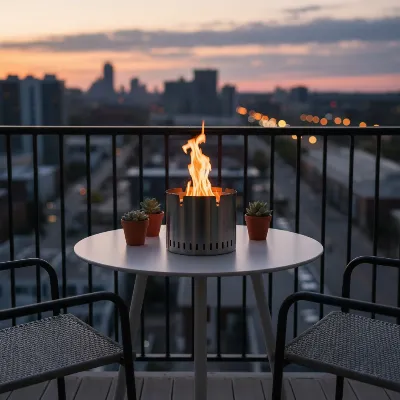 Solo Stove Mesa XL Tabletop Fire Pit on a small modern balcony with city views.
COOZOOM Portable Tabletop Fire Pit
Recognized as a “Best Overall” tabletop fire pit by experts, the COOZOOM Portable Tabletop Fire Pit offers excellent performance and a stylish appearance. It burns pellets, providing a substantial, smokeless flame that delivers a surprising amount of warmth for its size.
- Pros: Produces a large, smokeless flame; good heat output for a tabletop model; sleek design; portable and easy to move; excellent value.
- Cons: Pellets are the primary fuel; might require more frequent refueling for longer sessions.
- User Reviews: Reviewers frequently highlight its attractive design and powerful flame, often comparing its performance favorably to more expensive wood-burning options. Its ability to generate noticeable warmth is a common point of praise.
YEFU Low-Smoke Tabletop Fire Pit
The YEFU Low-Smoke Tabletop Fire Pit stands out as an exceptional value option, combining affordability with high-performance features. This pellet-burning fire pit boasts a sleek stainless-steel finish and an efficient design that minimizes smoke and extends burn time.
- Pros: Unbeatable value; low-smoke design; long burn time for a tabletop unit (over an hour per fill); elegant stainless steel aesthetic.
- Cons: Primarily pellet-fueled; less known brand compared to others.
- User Reviews: Customers are consistently impressed by the YEFU’s performance relative to its low price. Its minimal smoke and impressive burn duration are frequently mentioned as key advantages.
TerraFlame by Solo Stove Wave Fire Bowl
For those seeking a clean-burning and visually striking option, the TerraFlame by Solo Stove Wave Fire Bowl is a top contender. This fire pit uses gel fuel canisters, offering a smoke-free and mess-free experience. Its contemporary design and robust concrete construction make it a beautiful centerpiece.
- Pros: Gel-burning for no smoke/ash; elegant concrete wave design; provides a beautiful, ambient flame; suitable for indoor and outdoor use.
- Cons: Fuel canisters are relatively expensive; primarily for ambiance rather than significant heat; burn time is limited per canister.
- User Reviews: Users love the modern aesthetic and the convenience of gel fuel. Many appreciate its ability to create a warm, inviting glow without any fuss, making it perfect for intimate settings.
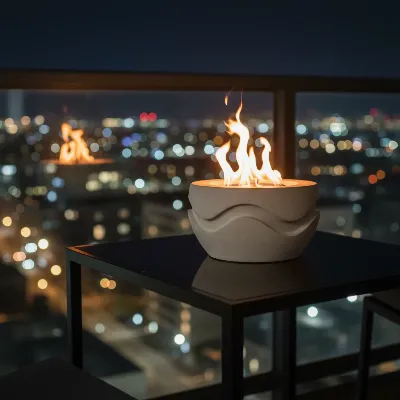 TerraFlame by Solo Stove Wave Fire Bowl on a minimalist balcony at night.
Allen + Roth Tabletop Propane Fire Pit
The Allen + Roth Tabletop Propane Fire Pit offers the ultimate in convenience and adjustable heat. Designed to blend seamlessly with outdoor decor, this propane-fueled unit provides a clean, controlled flame without the need for wood or pellets. Its elegant, simple look complements most aesthetics.
- Pros: Instant, adjustable flame; clean-burning with no smoke or ash; elegant and simple design; good heat output; relatively compact.
- Cons: Requires a propane tank connection (often needing a table with an umbrella hole or space for a hose); propane tank needs to be managed.
- User Reviews: Customers value the ease of use and the ability to control the flame intensity. Its understated design is frequently praised for integrating well into various outdoor settings.
Choosing the Perfect Tabletop Fire Pit (Buying Guide)
Selecting the right tabletop fire pit for your small balcony involves considering several factors to ensure it meets your needs for ambiance, functionality, and safety.
Determine Your Usage Needs
Before diving into options, clarify how you envision using your fire pit.
- Purpose: Are you primarily looking for a decorative element to create ambiance, a source of warmth for cooler evenings, or a fun way to roast marshmallows? Fire pits designed mainly for ambiance (like many gel or bioethanol models) offer less heat but a cleaner burn. Those for warmth or cooking might be wood-burning or propane.
- Space: Measure your balcony table and the surrounding area. Ensure there’s adequate clearance around the fire pit, both horizontally and vertically, from any flammable materials. Consider if you need a truly portable unit that can be easily moved or stored.
- Lifestyle: Do you prefer the authentic experience of a wood fire, the effortless convenience of gas, or the clean burn of ethanol? Your preference for maintenance, fuel handling, and immediate gratification will guide your choice.
Select Appropriate Material and Size
The material and size of your tabletop fire pit are critical for aesthetics, durability, and safety, especially in a compact space.
- Materials: Common materials include stainless steel (durable, modern), concrete (heavy, modern/rustic), ceramic (decorative, varied styles), and metal alloys (lightweight, often more traditional). Choose materials that are heat-resistant and durable for outdoor use.
- Size: For small balconies, a compact footprint is essential. Tabletop fire pits typically range from 5 to 15 inches in diameter or length. Consider the size of your table and how much space the fire pit will occupy, leaving room for drinks or small plates. A good rule of thumb is to ensure it doesn’t overwhelm the table or block views.
Prioritize Safety Features
Safety is paramount when dealing with any open flame, particularly in smaller, potentially enclosed spaces like balconies.
- Certifications: Look for products that meet recognized safety standards and have relevant certifications.
- Spark Screens/Flame Guards: For wood-burning models, a mesh spark screen is crucial to contain embers. Flame guards, often made of tempered glass, are excellent for propane or ethanol pits, protecting the flame from wind and preventing accidental contact.
- Stable Base: Ensure the fire pit has a wide, stable base to prevent tipping. For lighter models, consider non-slip pads.
- Fuel Shut-off: Propane models should have an easy-to-access shut-off valve. Bioethanol and gel fuel pits often include a snuffer tool to safely extinguish the flame.
- Heat Shielding: Some models have features to reduce heat transfer to the table surface, but it’s always wise to use a heat-resistant mat underneath, especially on sensitive surfaces.
Tips for Using and Maintaining Your Tabletop Fire Pit
To ensure long-lasting enjoyment and safe operation of your tabletop fire pit, follow these essential usage and maintenance tips.
Lighting and Maintaining the Flame
- Read the Manual: Always begin by reading the manufacturer’s instructions for your specific model.
- Fuel Up Safely: For bioethanol or gel fuel, ensure the reservoir or canister is properly placed and filled (never overfill bioethanol). For propane, connect the tank securely and check for leaks with a soapy water solution before igniting. For wood/pellet models, use recommended fuel and kindling.
- Ignition: Use a long-stem lighter or match to ignite the fuel safely, keeping your hands away from the flame.
- Monitor: Never leave a burning fire pit unattended. Keep an eye on the flame and the surrounding area.
- Extinguishing: Use the provided snuffer for ethanol/gel fuels. For propane, simply turn off the gas valve. For wood/pellets, allow the fire to burn out naturally, or use sand/water only if recommended by the manufacturer and cautiously, to avoid damaging the unit.
Cleaning and Storage
Regular cleaning and proper storage will extend the life of your tabletop fire pit and keep it looking its best.
- Cool Down Completely: Always wait until the fire pit is completely cool before attempting any cleaning or maintenance.
- Ash Removal (Wood/Pellet): If your unit has a removable ash pan, empty it after each use. Wipe down the interior and exterior with a damp cloth.
- General Cleaning: For all types, wipe down exterior surfaces with a soft, damp cloth and mild soap (avoid abrasive cleaners). For stainless steel, consider a stainless steel cleaner to maintain its luster.
- Fuel Storage: Store propane tanks upright in a well-ventilated area away from direct sunlight and heat. Keep bioethanol and gel fuel in their original, sealed containers in a cool, dry place. Store wood pellets in a dry, airtight container.
- Seasonal Storage: During off-seasons or extended periods of non-use, clean the fire pit thoroughly, ensure it’s completely dry, and store it in a protective cover or indoors to shield it from harsh weather.
Safety Measures for Balcony Use
- Location, Location, Location: Place your tabletop fire pit on a stable, non-combustible surface. Ensure it is at least 10 feet away from any combustible materials, including walls, railings, furniture, curtains, and overhanging plants or structures. Avoid placing it directly under an awning or low ceiling.
- Wind Conditions: Never use your fire pit on windy days, as gusts can cause flames to flare or embers to fly, increasing fire risk, especially on a balcony.
- Child and Pet Safety: Keep children and pets at a safe distance from the fire pit at all times. Consider a physical barrier if necessary.
- Emergency Preparedness: Have a fire extinguisher, a bucket of sand, or a hose nearby for emergencies.
- Local Regulations: Always check your local fire codes and apartment/condo association rules regarding open flames and fire pits on balconies. Some areas may have restrictions or prohibitions.
Conclusion
Choosing the ideal tabletop fire pit for your small balcony in 2026 means balancing aesthetics with functionality and, above all, safety. Whether you prefer the traditional charm of a low-smoke pellet burner, the effortless convenience of propane, or the clean elegance of bioethanol or gel fuel, there’s a perfect option waiting to transform your outdoor space. By carefully considering your needs, understanding the different types, and adhering to safety guidelines, you can effortlessly extend your evenings, gather with loved ones, and create a truly magical atmosphere right on your own balcony. So, which tabletop fire pit will be illuminating your outdoor sanctuary this year?
Frequently Asked Questions
Can tabletop fire pits be used indoors?
Some tabletop fire pits, particularly those fueled by bioethanol or gel fuel, are designed for both indoor and outdoor use. However, it is crucial to ensure adequate ventilation when using them indoors and always follow the manufacturer’s specific guidelines to prevent the buildup of harmful fumes. Wood-burning and propane models are strictly for outdoor use.
How much heat do tabletop fire pits typically provide?
The heat output of tabletop fire pits varies significantly by fuel type and model. Wood-burning and propane models generally provide the most noticeable warmth, often sufficient to keep those seated nearby comfortable. Bioethanol and gel fuel fire pits typically offer more ambiance than substantial heat, serving mainly as decorative elements to enhance the cozy atmosphere.
Are tabletop fire pits safe for wooden balcony tables?
While many tabletop fire pits are designed to minimize heat transfer to the surface below, it is strongly recommended to use a heat-resistant mat or a non-combustible barrier (like a concrete paver or specialized fire pit pad) underneath the unit, especially on wooden tables or other sensitive surfaces. Always ensure sufficient clearance around the fire pit to prevent heat damage or fire risk.
How long does the fuel last in a tabletop fire pit?
Fuel burn times depend on the type of fuel and the size of the fire pit. Gel fuel canisters typically last 2-3 hours. Bioethanol reservoirs can burn for 3-5 hours per fill. Small propane tanks can last several hours, depending on the flame setting. Wood pellets or mini firewood burn times vary but often range from 45 minutes to over an hour per load in compact units.
What maintenance is required for a tabletop fire pit?
Maintenance is generally minimal. For wood/pellet pits, regular ash removal is necessary. For all types, wiping down the exterior with a damp cloth to remove soot or dust is recommended. Propane models require occasional checks of the gas lines. Always ensure the unit is completely cool before cleaning or performing any maintenance. Proper storage during off-seasons is also important.
